

 Hay Milk® Cheese
Hard cheese | Mountain cheese
Semi-hard cheese

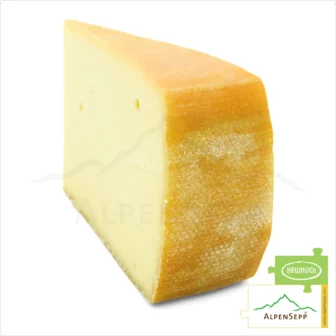
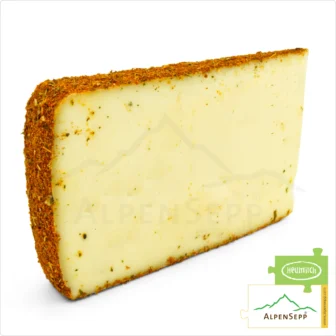
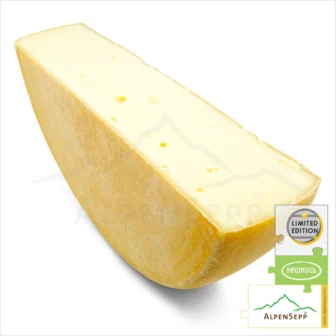 RACLETTE Cheese No.1 – Spicy | Aged 3 months - Austrian Lactose free Cheese wheel for Raclette grill and Raclette ovenfrom € 36,63
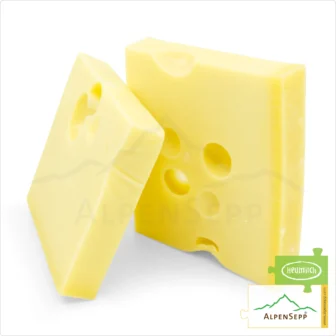
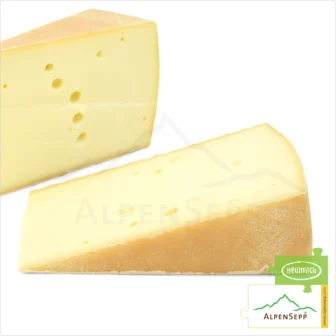
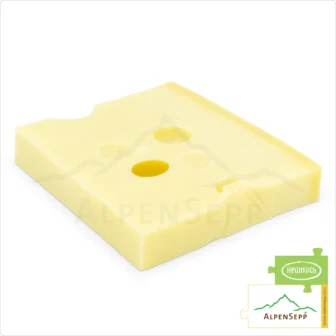 EMMENTAL CHEESE | EMMENTALER - 100% Mild Taste - Lactose-Free Austrian Hard-Cheese Straight from the Cheese Cellarfrom € 5,48
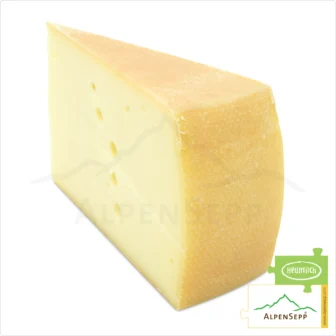
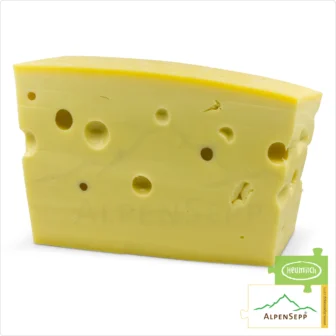 EMMENTAL CHEESE, Big Piece | Austrian Lactose-free hard cheese | 6 kg€ 147,91
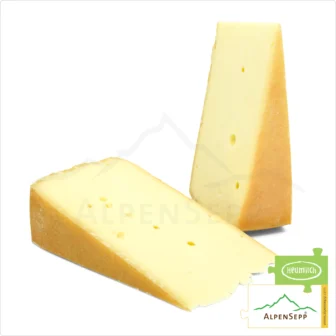
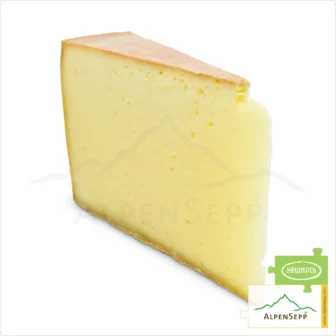 SMELLY SPICY CHEESE, dry-aged | RÄSSKÄSE, trockengereift; Lactose-free Austrian PREMIUM semi-hard cheese, directly from the cheese cellar - 100% extremely intense tastefrom € 4,93
 Spektiv Ultraview ED 9-27x56 S-ED | DDoptics€ 399,00ddoptics.shop
 Complete OMEGA-3 INDEX | WHC Test Kit for a Lab Analysis with 26 Values€ 79,95pronature24.com
 STEEL LIGHT shielding fabric | for curtains, bedding and blankets | RF screening attenuation against electrosmog up to 42 dB | Effective against 5G!€ 49,70sferics.com
 VetMedCare Equine Body Suit: Where Medical Wound Care Meets High-Tech Insect Protectionfrom € 202,80opbody.com
 SHOWERHEAD DELUXE S SET - silver | Water-saving adapter + shower hose + Baton DESIGN Hand Shower | ecoturbino®€ 95,90ecoturbino.shop
 Hofleckerei Pute | gesunde Feine BIO Happen | Hund | defuab € 6,53lebenspuls.com

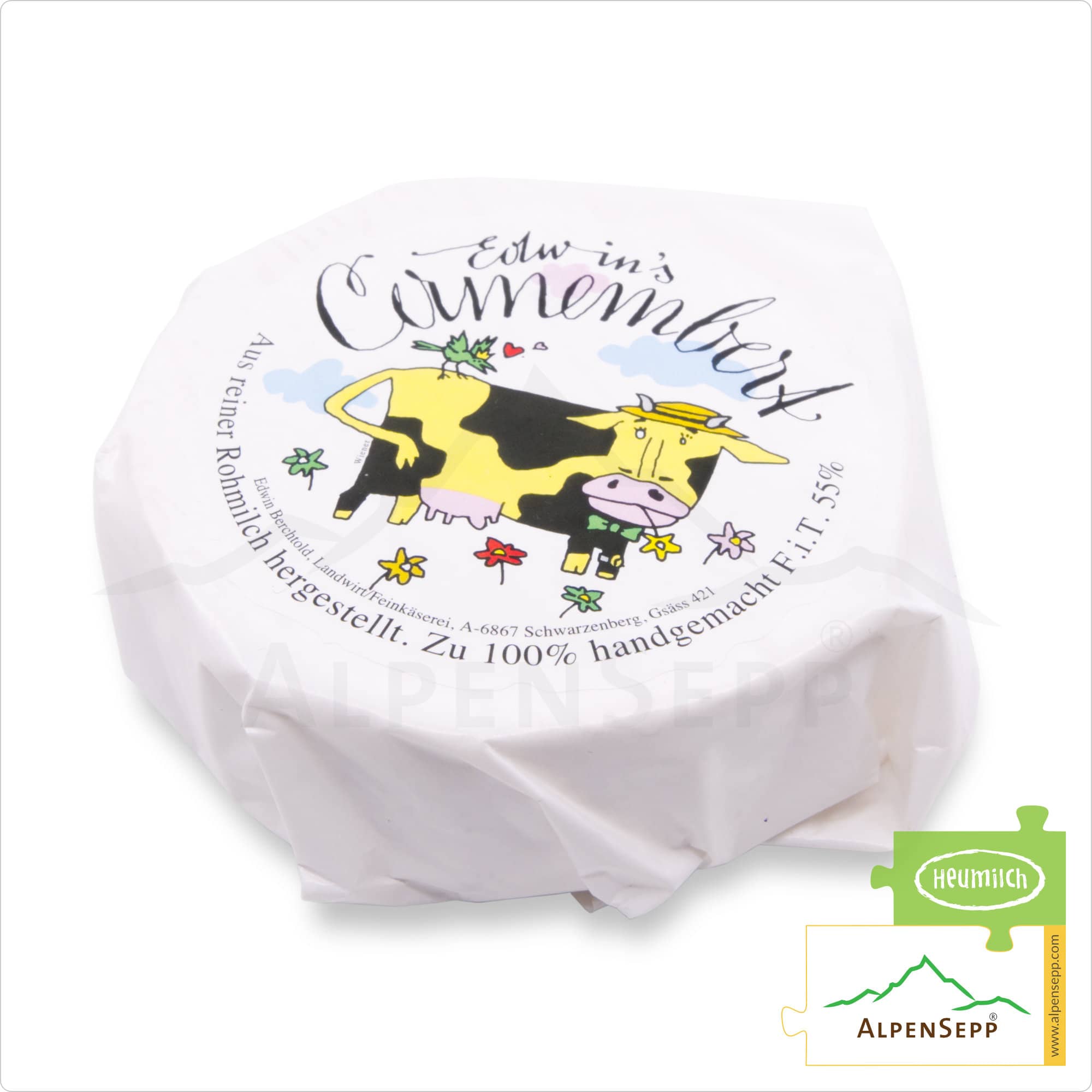
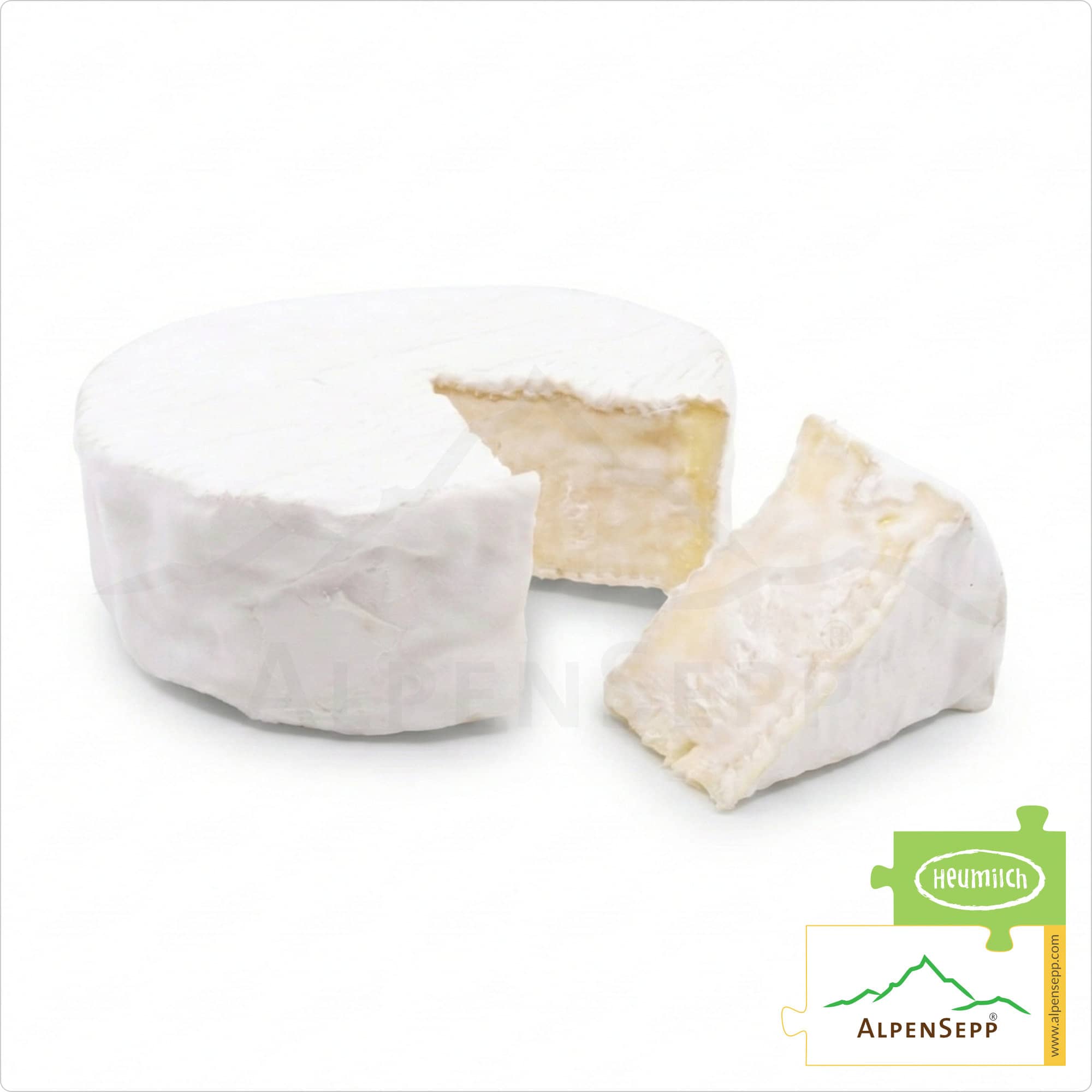
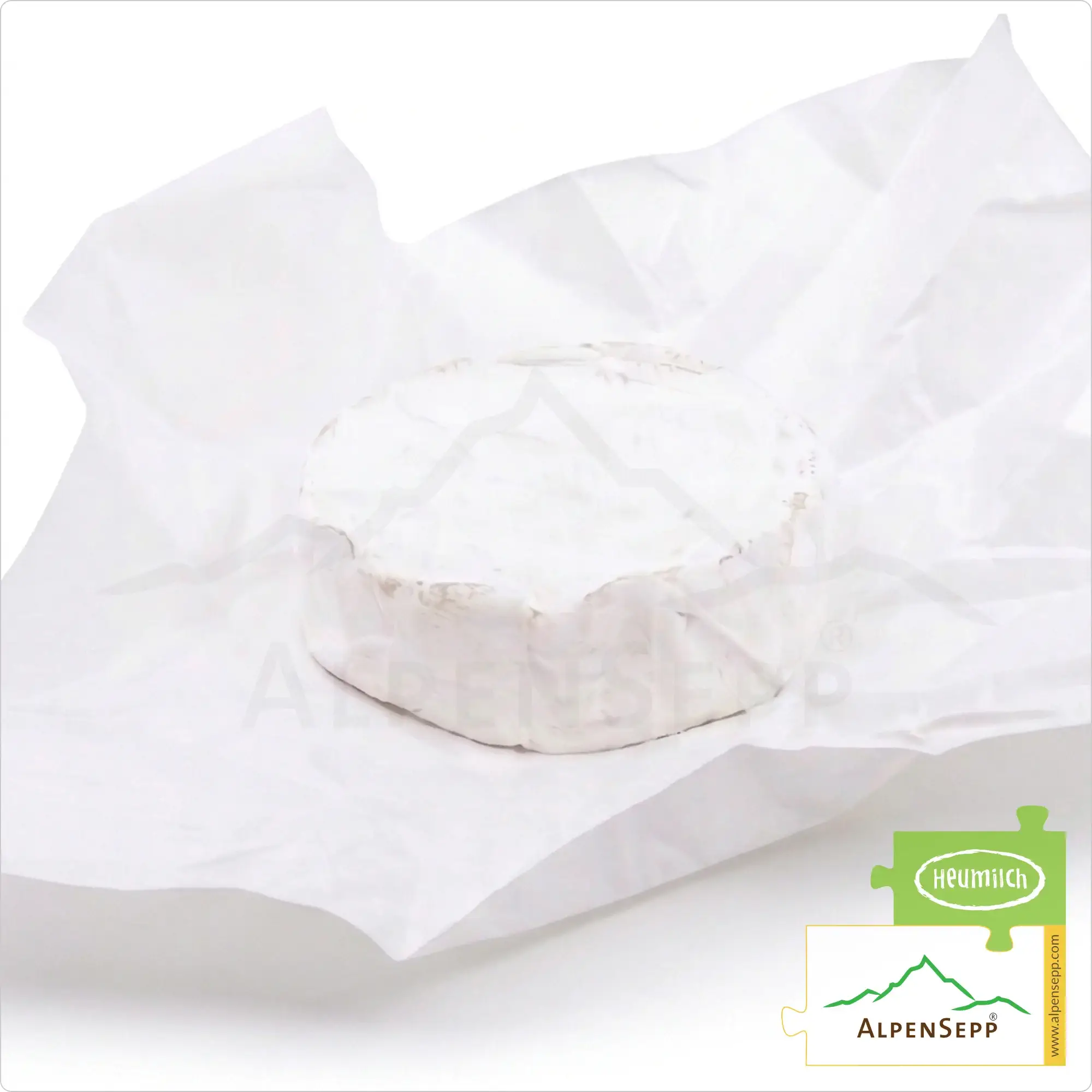
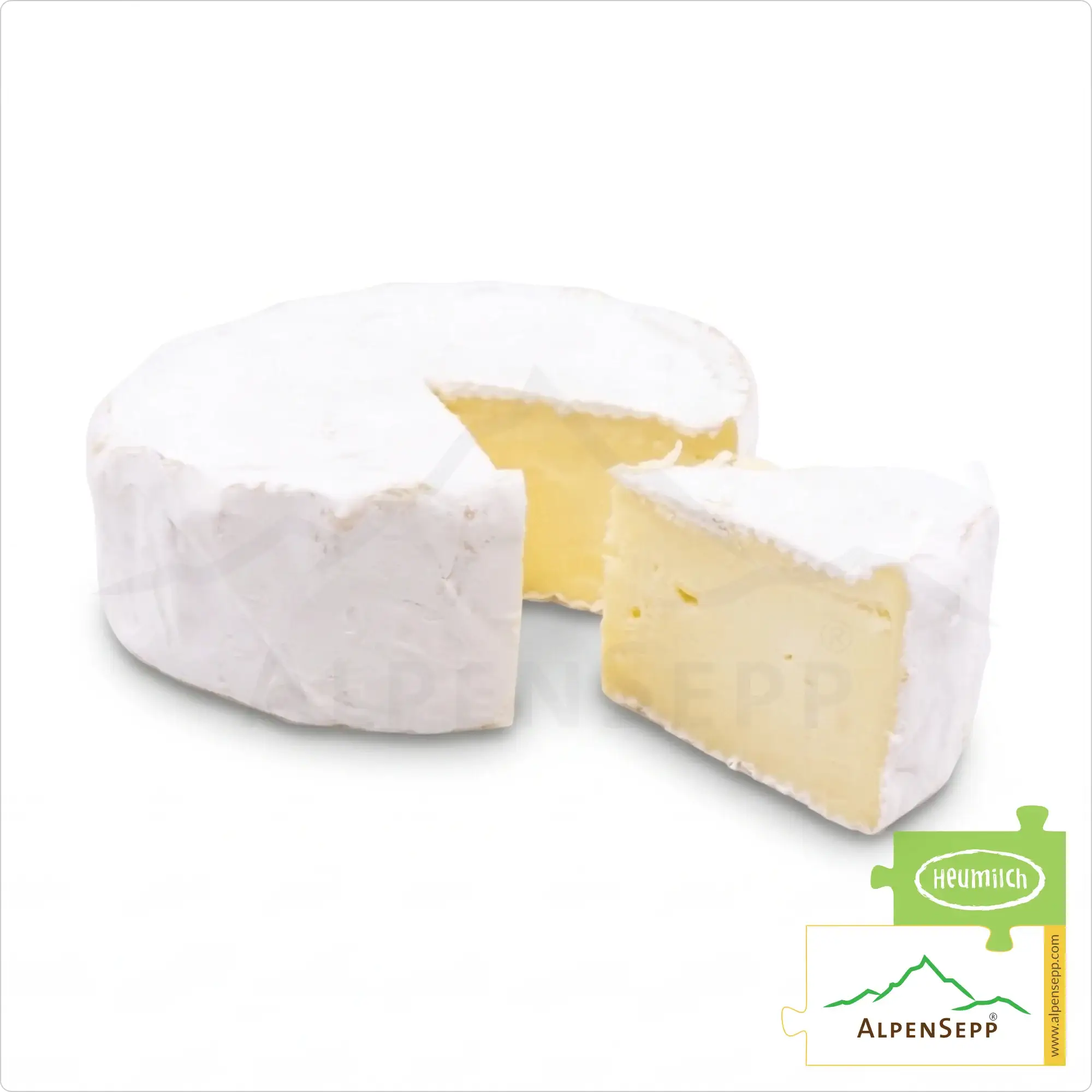


€ 10,30 (€ 9,63 excl. VAT)
Available exclusively in Austria and Germany!
Annual summer shipping break starting 20. April 2026
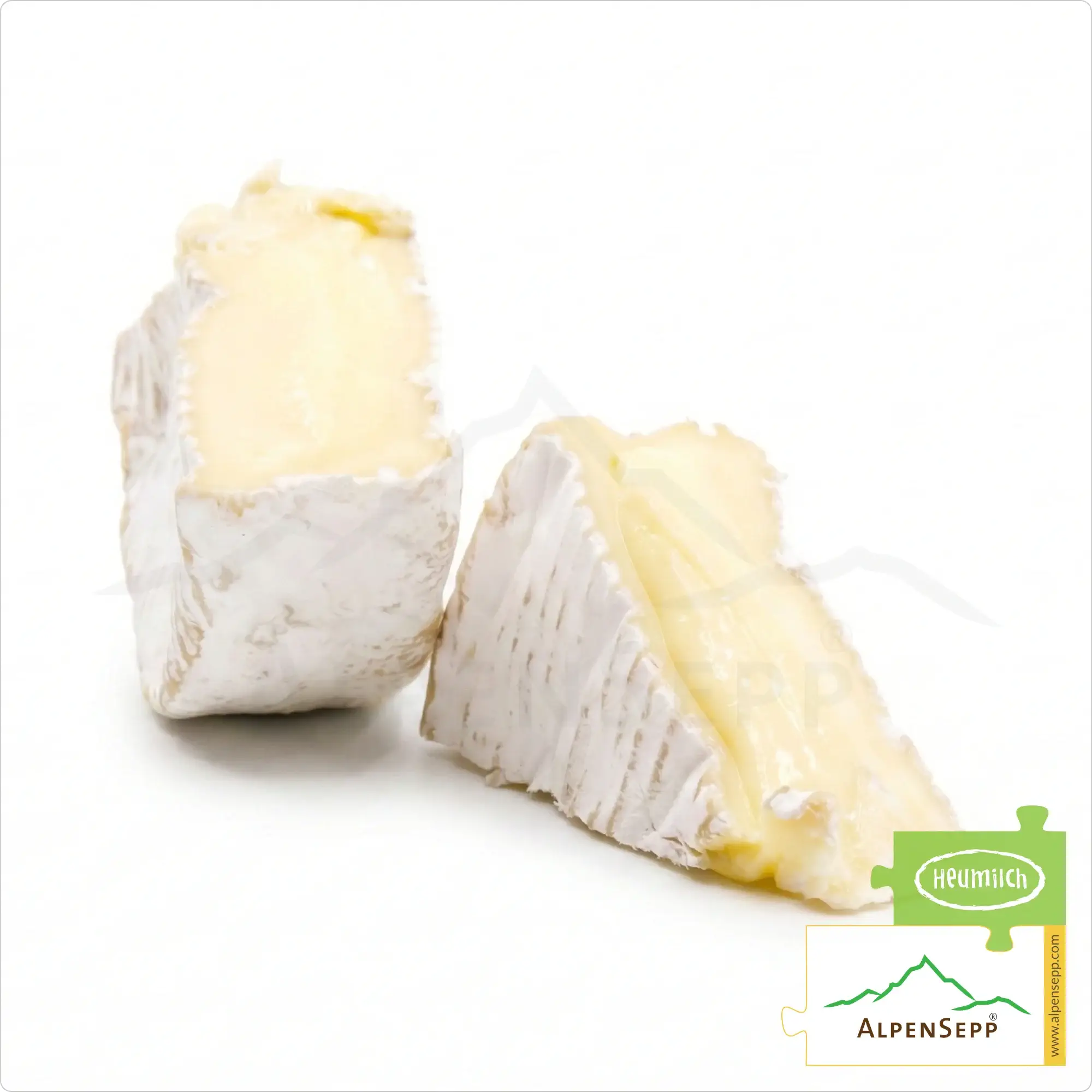
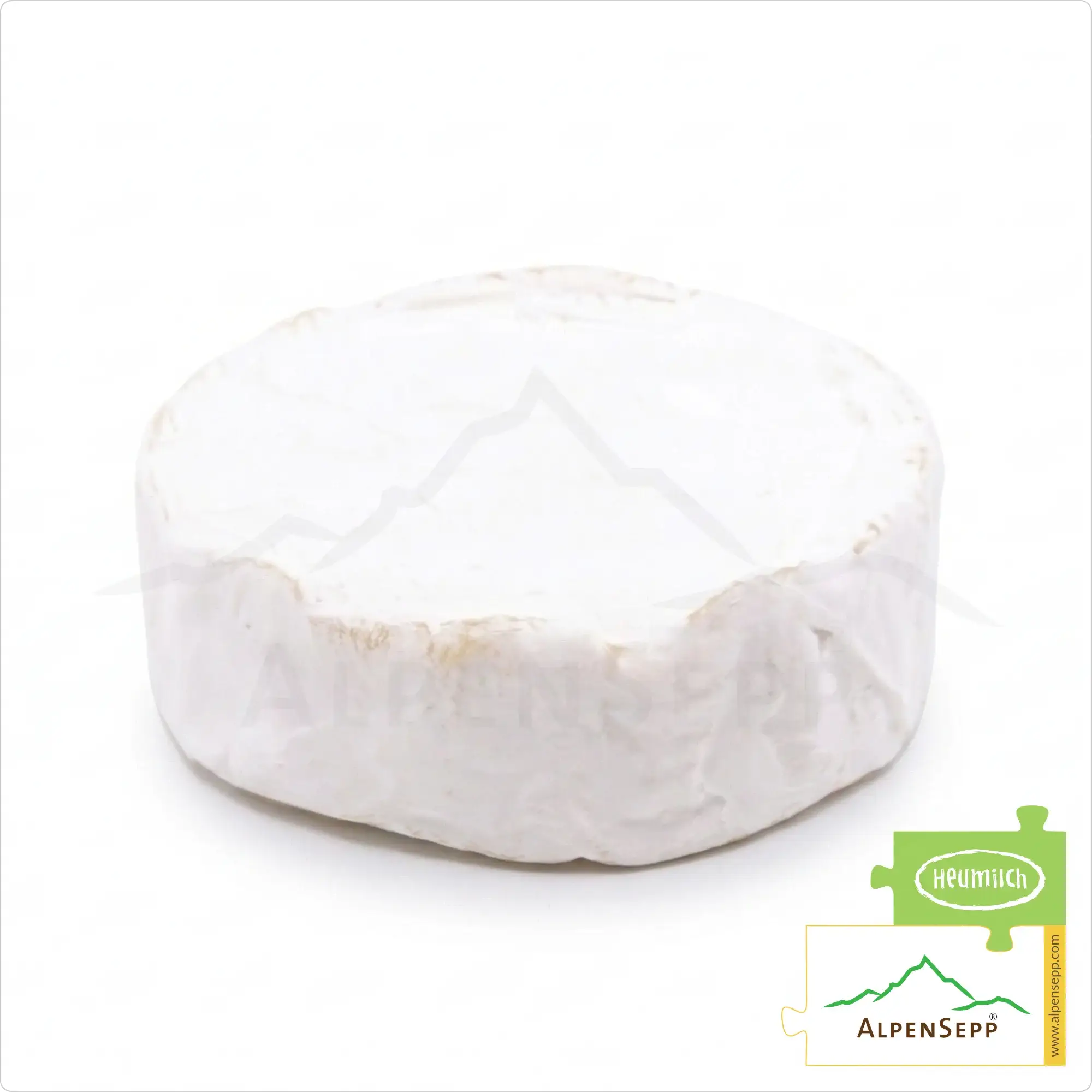
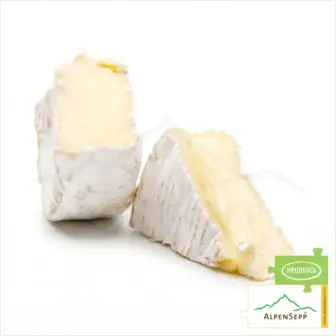
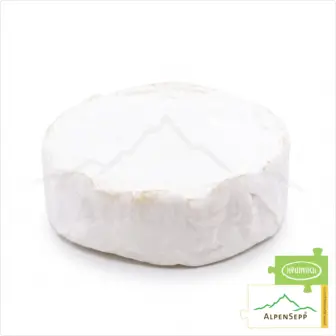
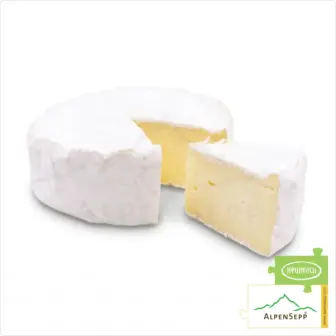
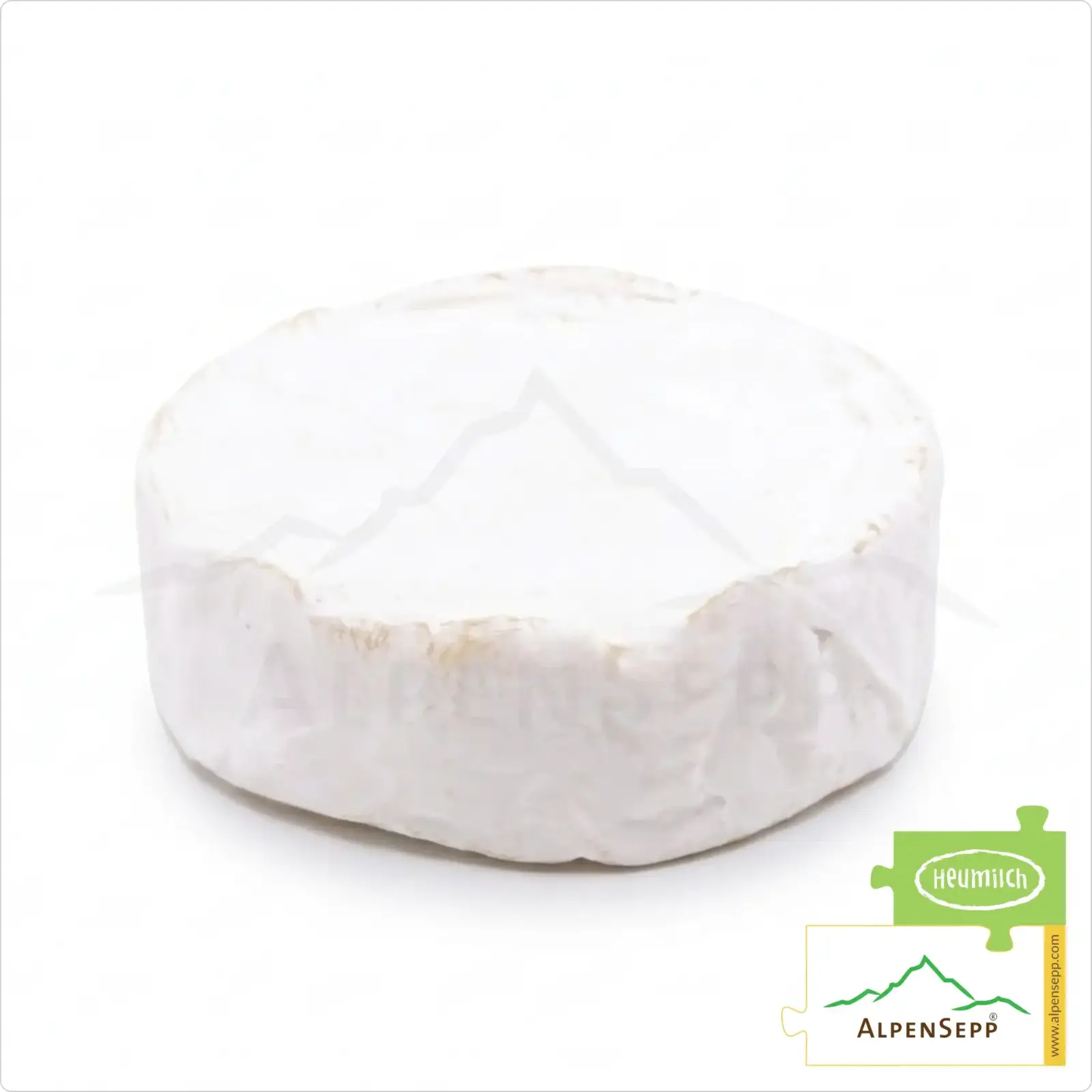
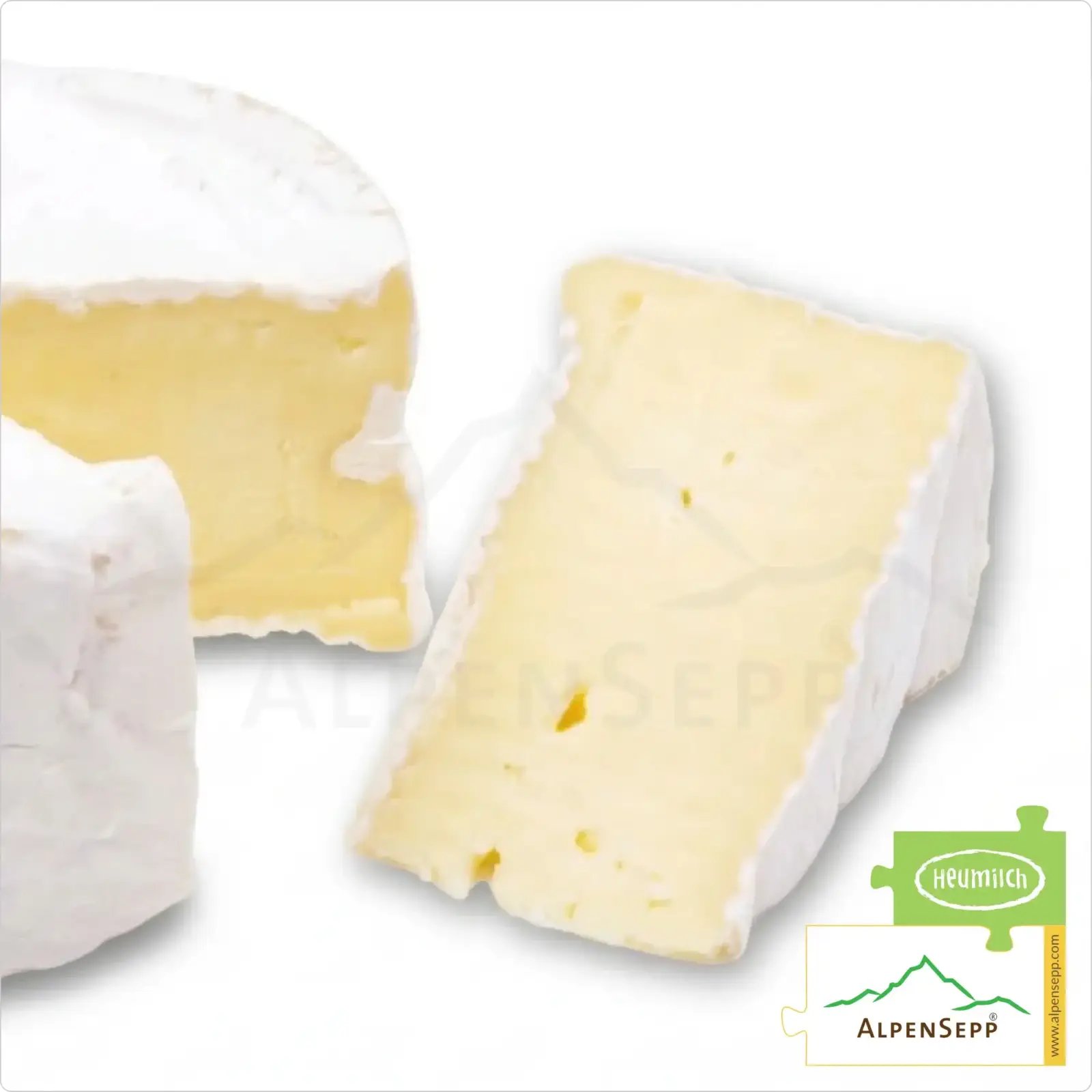
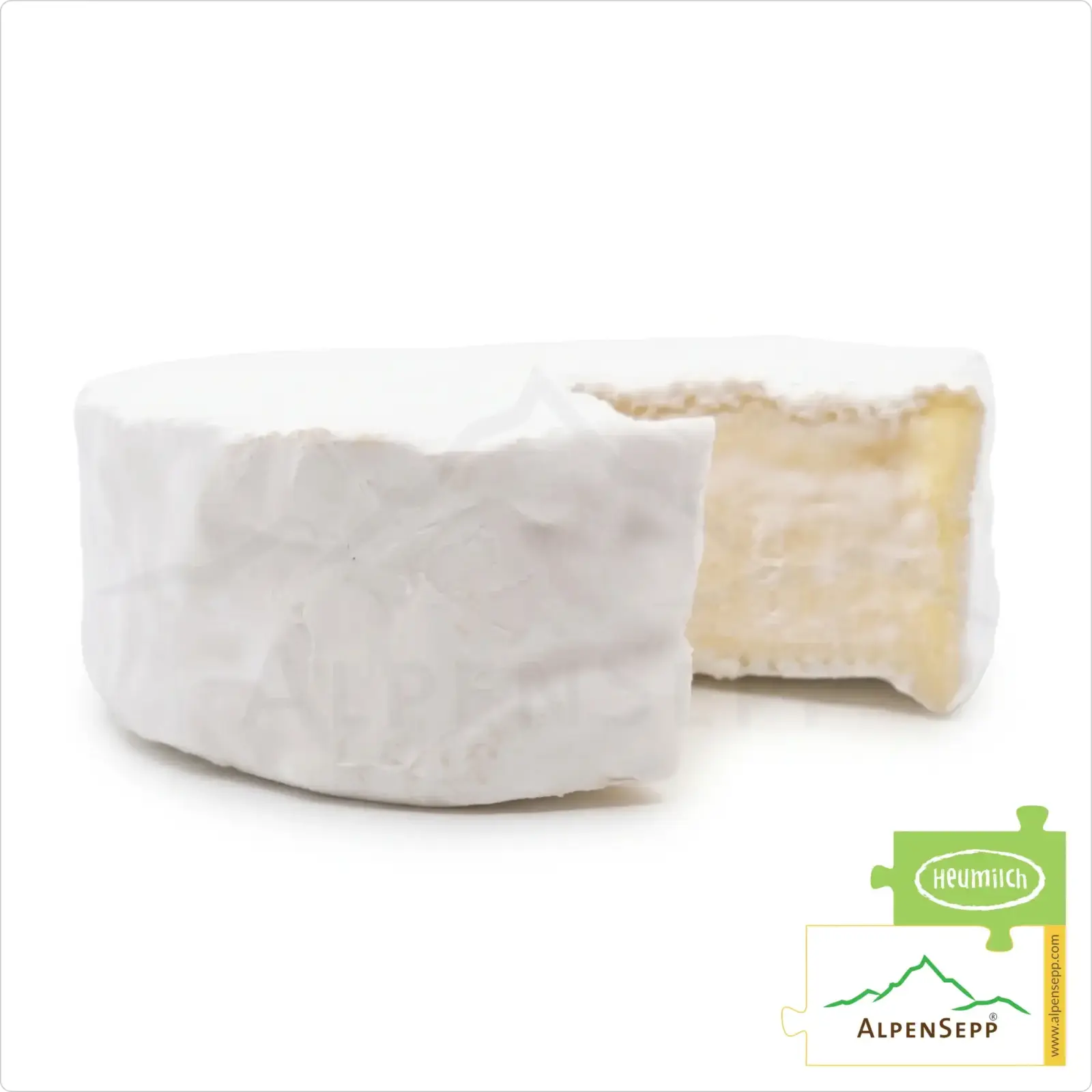
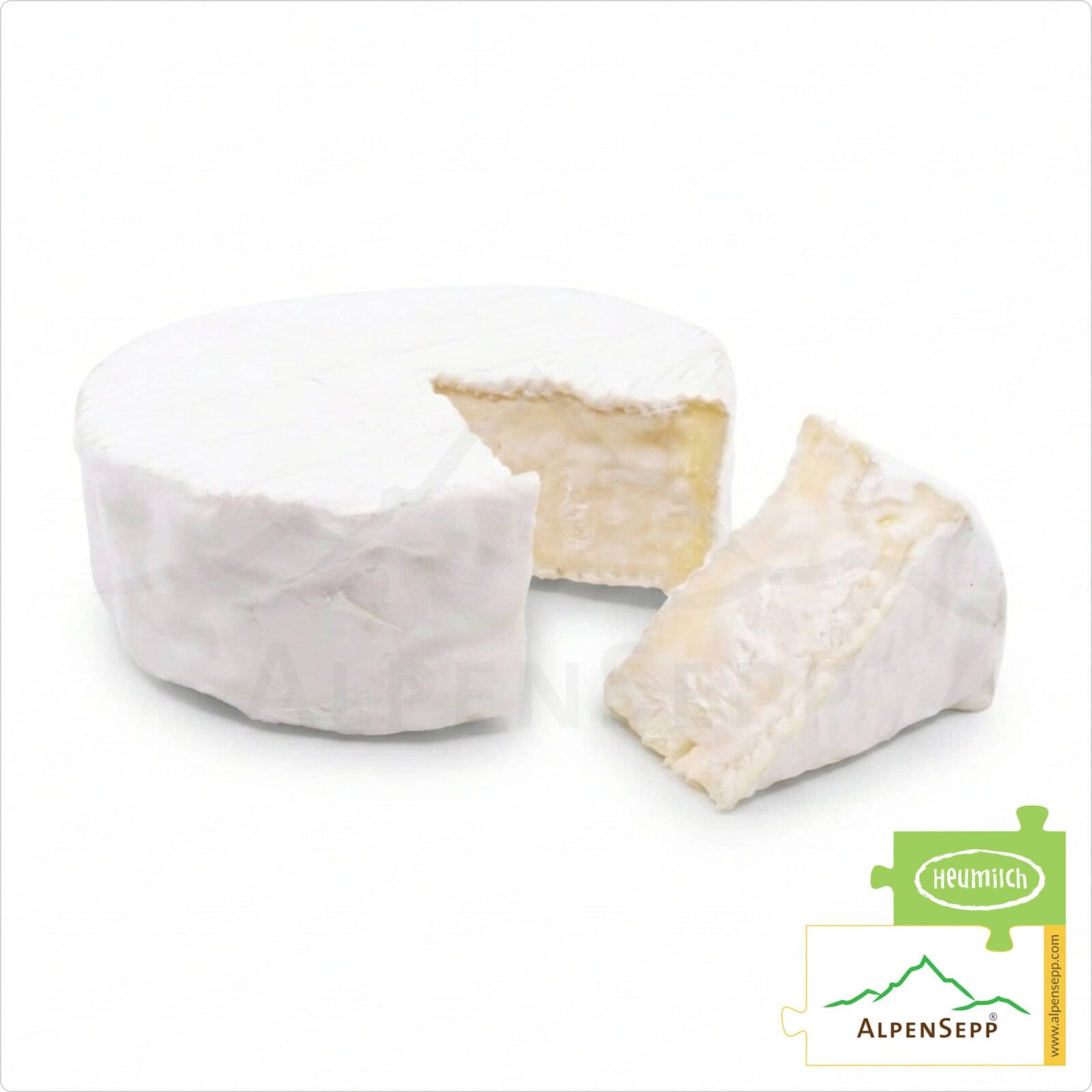
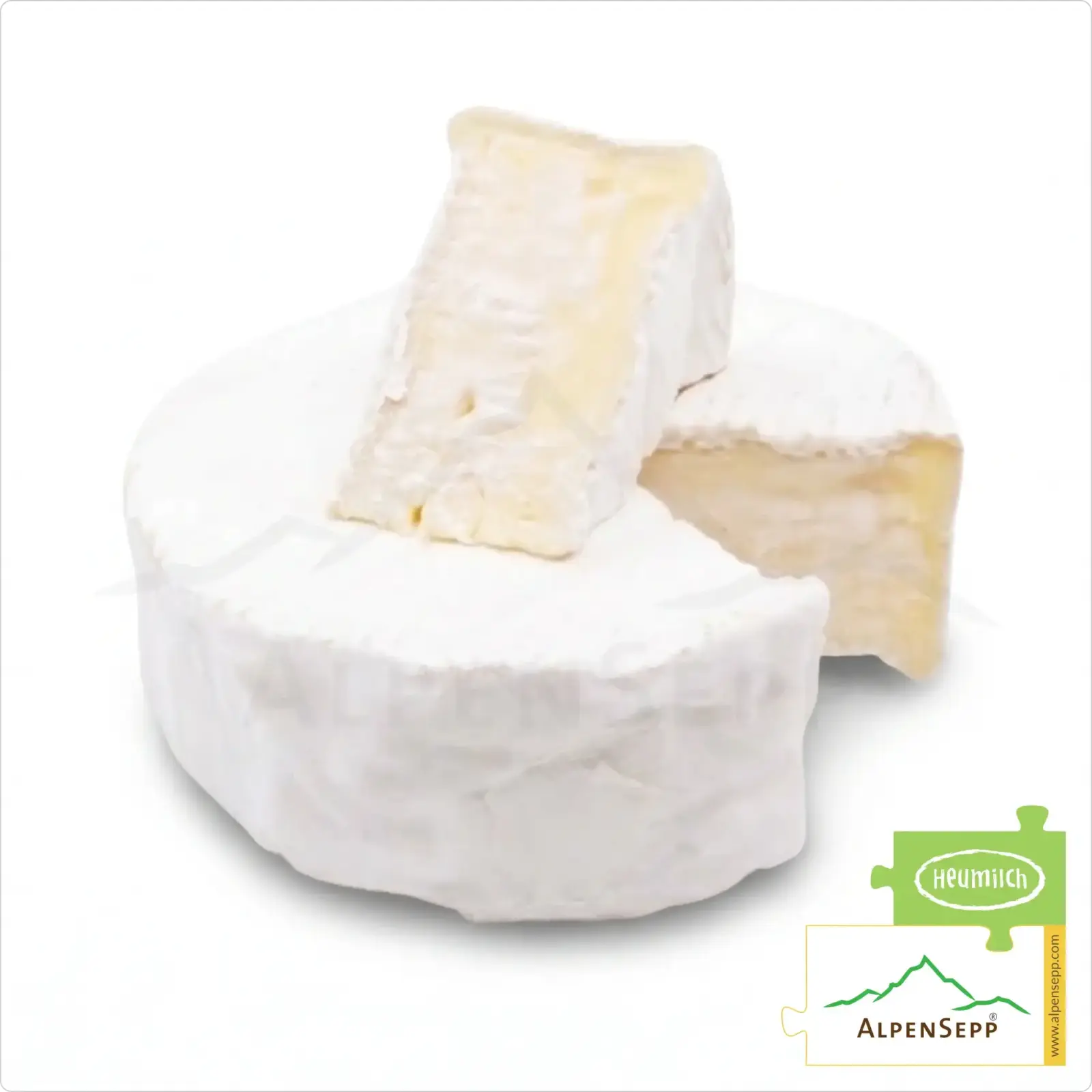
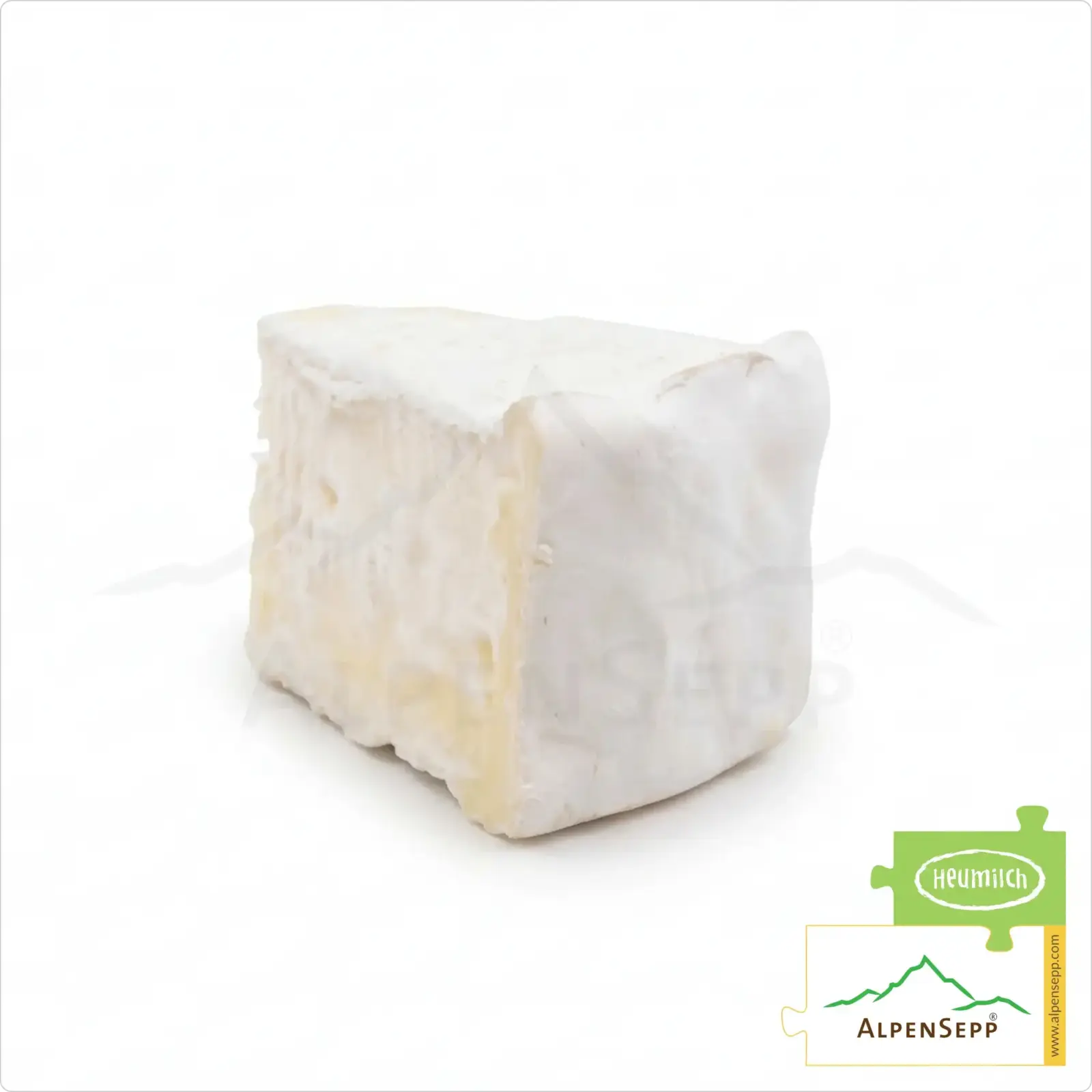
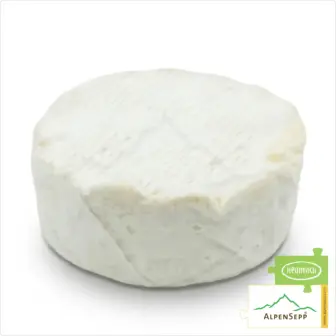
Natural Camembert is a handcrafted Austrian hay milk soft cheese with a smooth, creamy texture and a delicate, mild flavor.
Traditionally matured and made from premium hay milk, it is perfect for cheese boards, appetizers, and everyday gourmet enjoyment.
Base price: € 42,92/kg
Out of stock
A masterpiece of patience, horned cow energy, and microbial art.
If you think you know what Camembert tastes like, then prepare yourself for a culinary revelation. Our hay milkHay milk comes from cows that are fed exclusively with fresh grassland feed, hay and little grain. » More info Camembert from “horned” Grauvieh is no ordinary soft cheese.
It is a rarity that is only produced during the months when the world in Bregenzerwald comes to a rest – when the proud cows are not grazing on the high Alpine pastures, but are pampered in the local stables and outdoors in the valleys with the finest, fragrant hay.
The foundation for this extraordinary cheese is the milkCheese milk is the milk intended for the production of cheese, also with the concomitant use of buttermilk products, cream products, sweet whey, sour whey and whey cream (whey cream) » More info of a very special breed: Tyrolean Grauvieh.
This robust, ancient, sure-footed mountainThe Vorarlberger Bergkäse (mountain cheese) is a regional cheese specialty from the Austrian province Vorarlberg. » More info breed is still deeply rooted in Bregenzerwald. But there is one crucial detail that must be mentioned here: All the cows for this cheese wear their horns.
Why is this important? For many people, the horn is not a mere attribute but a living organ closely connected to the cow’s digestion and metabolism.
Many connoisseurs and organic pioneers are convinced that this vital energy is reflected in the crystallization structure of the milk. The milk of our horned Grauvieh ladies is particularly creamy, full-bodied, and possesses a molecular integrity that you can taste in the finished Camembert.

This is where the connoisseur is separated from the casual eater. Our Camembert is produced with a fat contentThe F.D.M. value related to dry matter, also depending on the water content of the cheese. The higher the water content (the more watery the cheese) the less dry matter and the less fat the cheese contains. » More info of 55% F.i.D.M. (fat in dry matterThe dry matter refers to that portion of the cheese that remains after removal of the water contained. The more water is removed from the cheese, the lower its dry matter and vice versa. » More info).
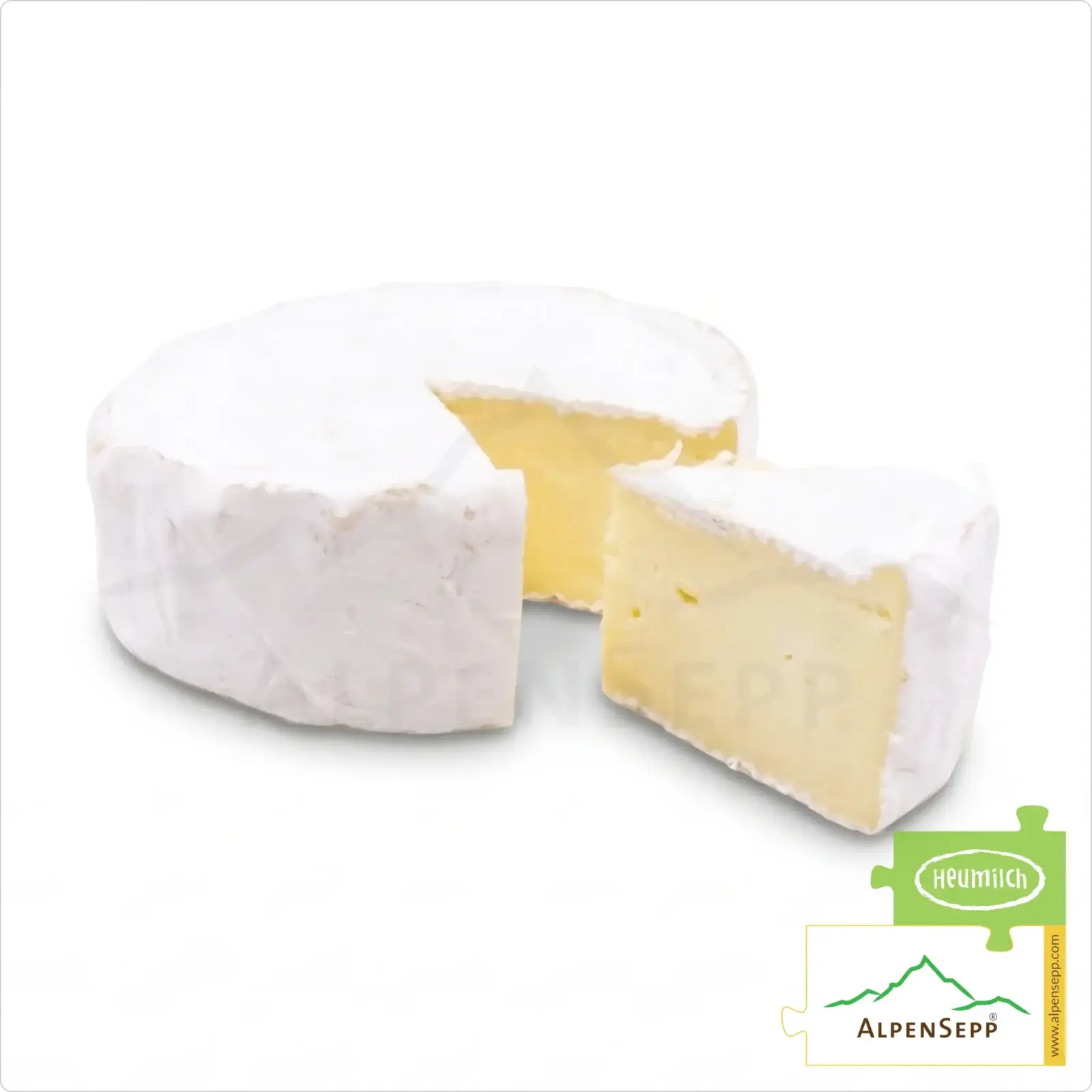
In its relatively fresh state, directly after delivery, the core is still firm and curd-like.
The AlpenSepp secret tip for the “French moment”: After receiving it, let the Camembert rest in your refrigeratorRipened cheese likes it cool and moist. The best is a temperature of about 8-10 ° C at about 90% humidity. » More info (in its original packaging) for exactly one month.
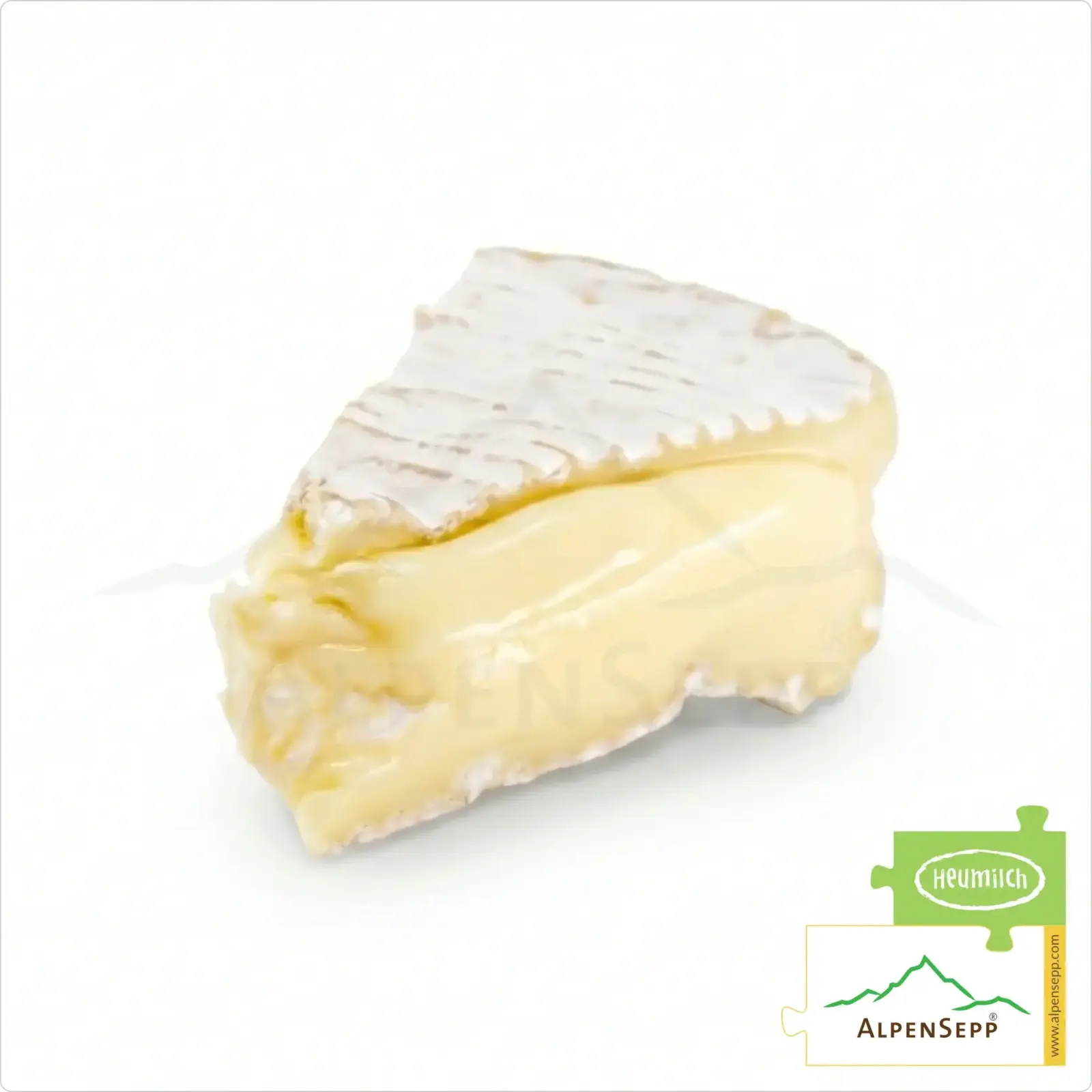
Hier ist die Übersetzung für die magische Verwandlung des Camemberts, wobei der Code und die Formatierung exakt beibehalten wurden:
What happens during this time is pure magic. The enzymesEnzymes are special proteins (biocatalysts) formed in living cells (lab) that accelerate the biochemical conversion of milk. » More info inside the cheese work tirelessly. Proteins are broken down, and the structure transforms from elastic to viscous.
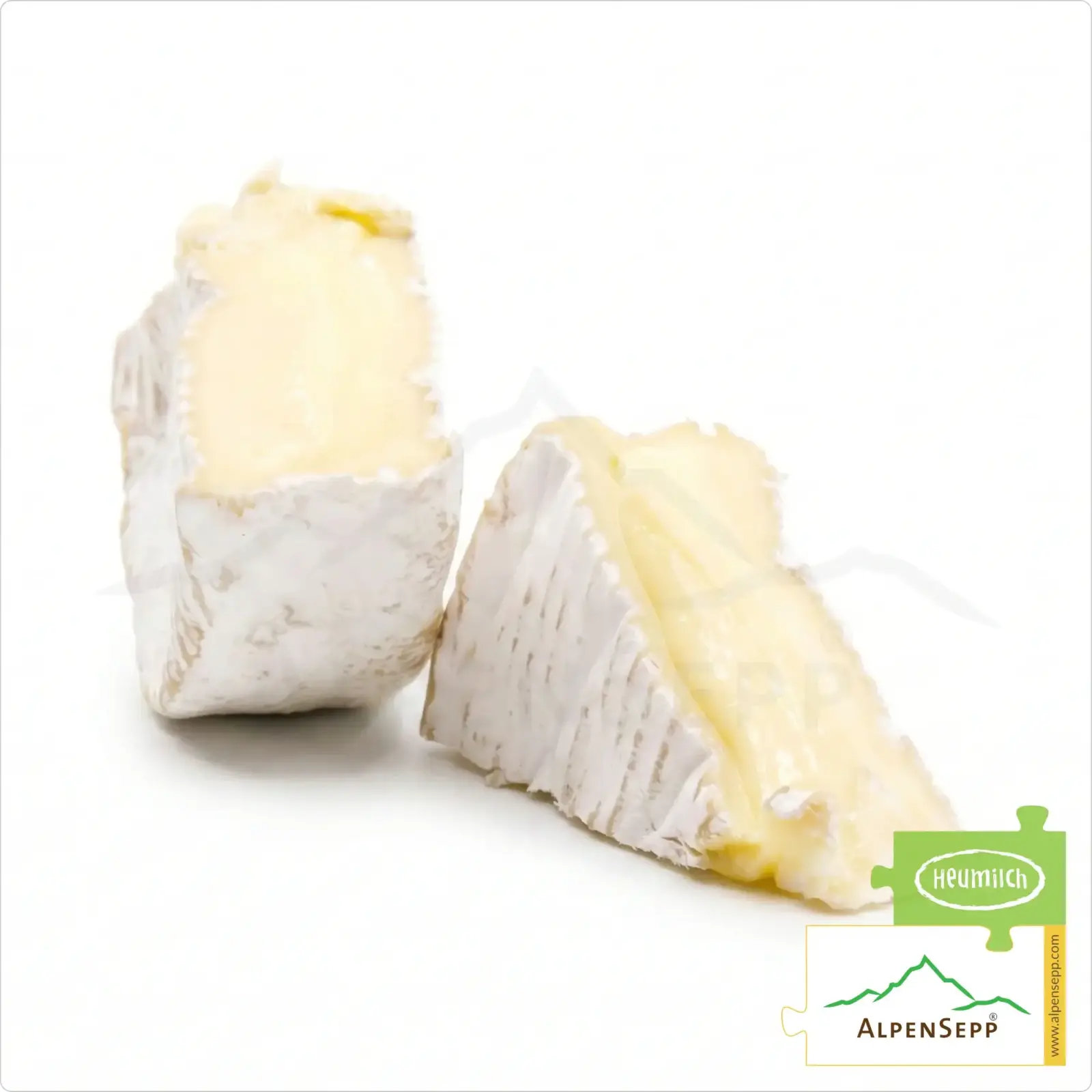
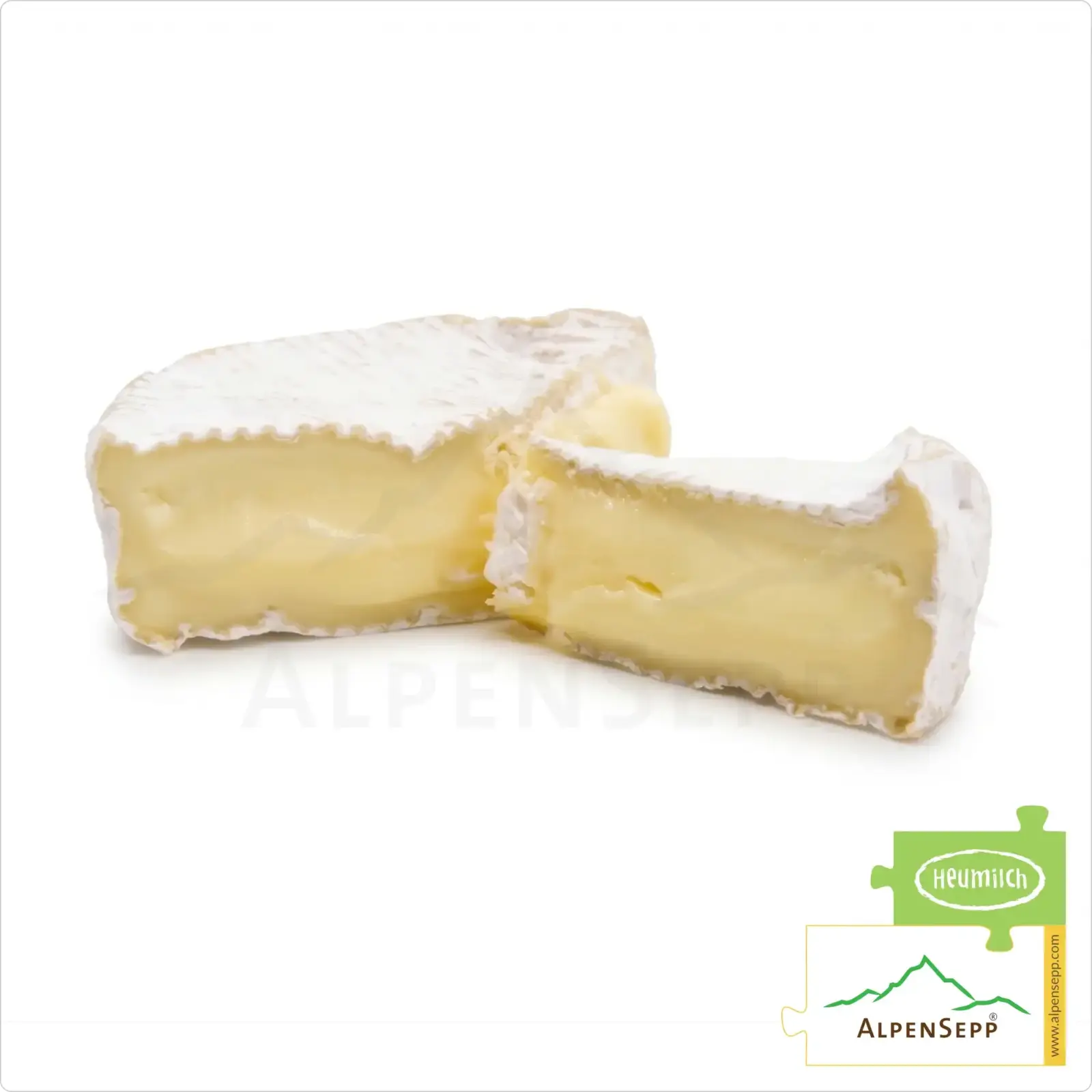
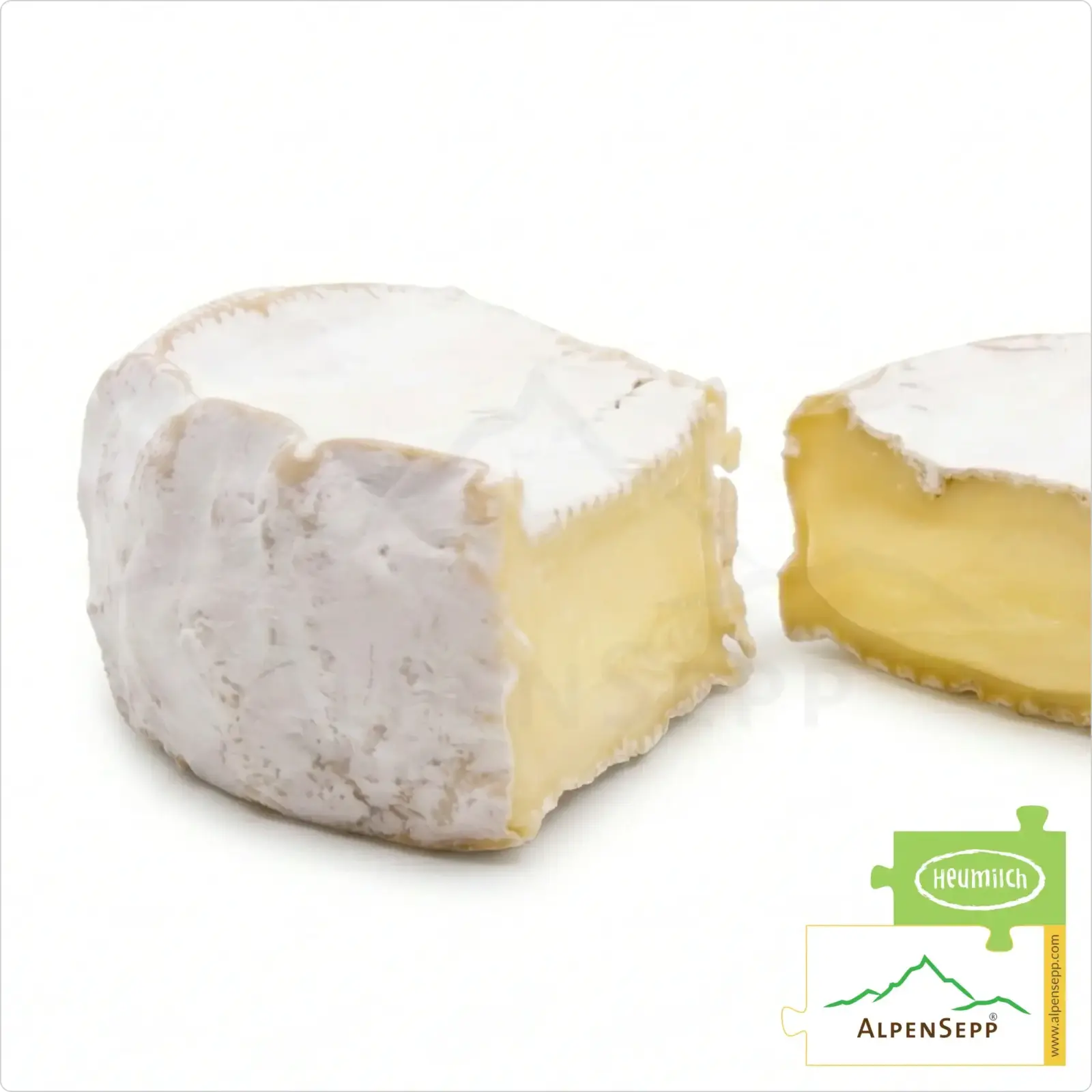
Only after this four-week test of patience does the cheese body reach that oozing, meltingMelting cheese is a proven process to refine and make it more durable. » More info consistency known from the best French affineurs.
When you cut into it at room temperature, the creamy heart flows toward you – an experience for all the senses.

This Camembert is a genuine slow-food product. It is hand-ladled in extremely small quantities by a passionate Bregenzerwald farmer.
Since the cows are on the Alpine pastures during the summer months, where other cheese specialties (such as our mountain cheese) are produced, Camembert production is limited to the winter months.
This makes this Camembert an exclusive seasonal product, available only while stocks last.
Behind the noble white rindTo protect the cheese wheel, it is put into salt bath or turned into dry salt. The salt removes water from the cheese and it dries faster. So the rind is formed. » More info lies a complex ecosystem. The lead actor is the noble mold Penicillium camemberti. This fungus is a true alchemist:
Additionally, lactic acid bacteriaBacterium Linens (red culture bacteria) are brushed with salt water on the cheese. » More info play a role, forming a specific flora in the hay milk during winter feeding.
Since the cows eat only hay and no silageHealthy hay milk comes from cows that are fed exclusively on fresh grassland feed, hay and grain. » More info (fermented feed), the milk remains pure and free of off-flavors – the best prerequisite for a flawless white mold rind.
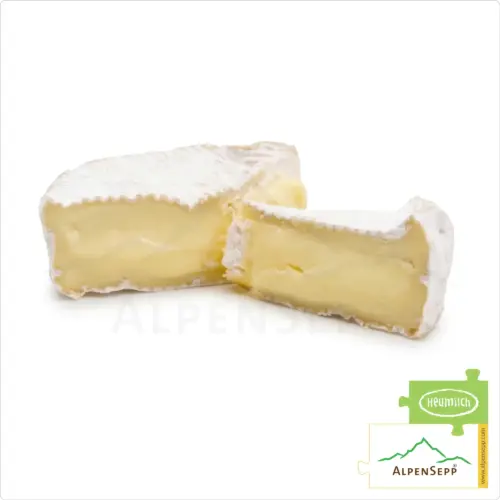
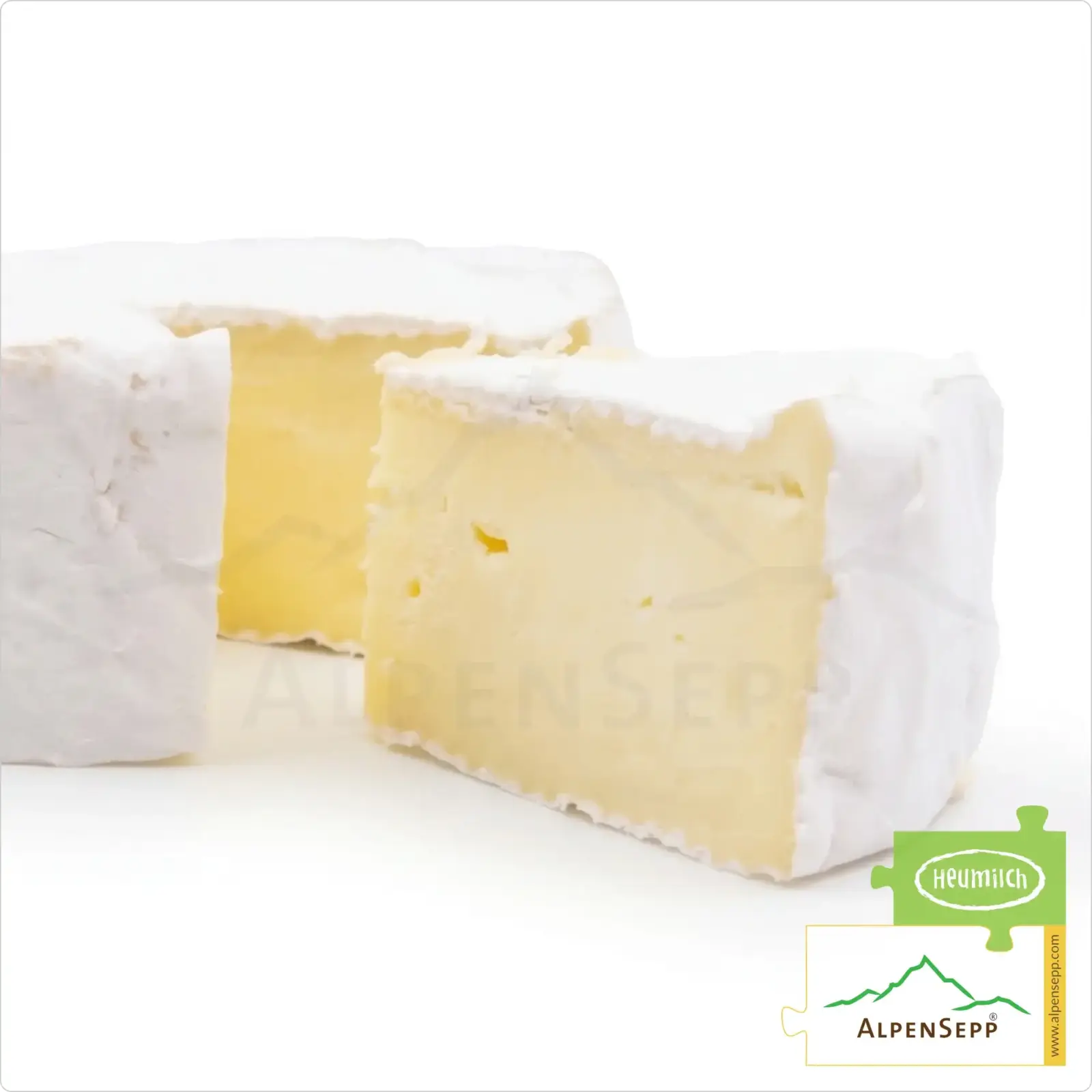
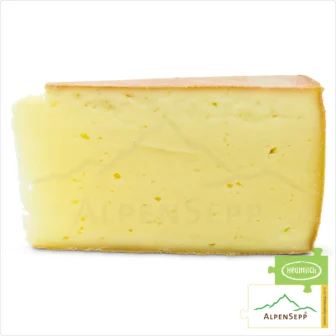
HolesThe large round holes (round holes, fermentation holes) are caused by fermentation gases of bacteria (for example, the propionic acid bacteria in Emmentaler, etc.). » More info in mature Camembert form naturally during the ripening process when gas-producing bacteria break down lactic acid and release carbon dioxide.
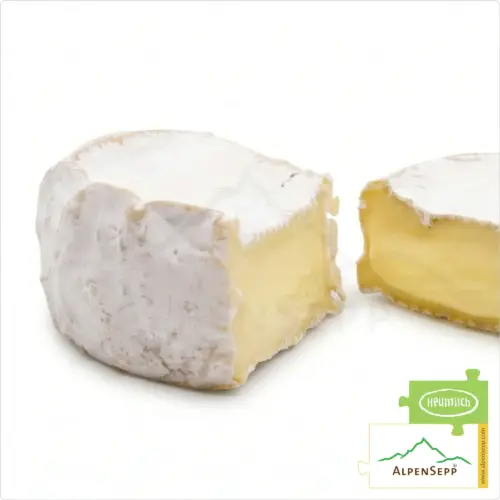
Camembert is a white mold cheese. Its typical white mold rind is created by special mold culturesMold cultures are aroma-forming noble molds that grow on the surface (white noble mold) or inside a cheese (blue and green mold). » More info (Penicillium candidum).
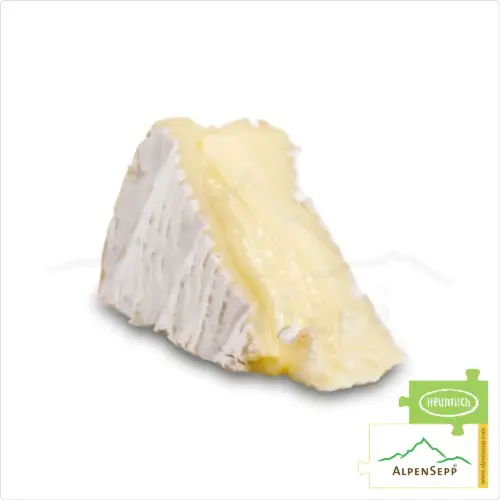
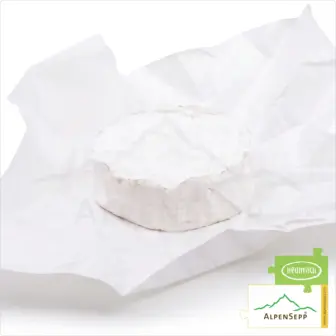
Camembert is best stored in the refrigerator (ideally 4-8 °C, vegetable drawer), preferably in the breathable original packaging or in cheese paper.
At 55% F.i.D.M., the mouthfeel is incomparably luxurious. The flavor is mildly acidic in its young stage and develops toward a deep, savory earthiness as it matures.
In a world of mass-produced industrial goods, we focus on biodiversity and animal welfare. The Grauvieh (Grey Cattle) is an endangered breed, whose preservation we support through the sale of these specialties.
By purchasing this cheese, you are not only supporting a small family farm in the Bregenzerwald, but also the preservation of traditional agriculture with horned cows.
Summary of Highlights:
Treat yourself to a piece of true Alpine tradition. Order now and give your Camembert the time it needs to awaken to its full glory in your home refrigerator.
Did you know? While the term “Camembert” is known worldwide, the combination of Bregenzerwald hay milk and Grauvieh raw material makes this product a unique gem like no other. A must for every cheese gourmet!
The specialty of Camembert is its melting properties and its savory cheese flavor, which is unique thanks to the hay milk.
Camembert Cheese Intensity
How mild or tangy is the cheese? Rated on a scale of 0 (mild) to 10 (spicy).
Camembert Cheese Texture
How firm is the cheese? Rated on a scale of 0 (soft) to 10 (firm).
Camembert Cheese Aging PeriodThe milk period is also called the lactation period. It is the time when farm animals such as cows, sheep or goats keep milk for milk production. » More info
How long did the cheese mature? Rated between 1 to 12 months.
| Milk: | 100% from silo-free hay milk |
| Type of cheese: | Soft cheese |
| Ripening method: | Lactic acid and/or fermentation ripening / Surface ripening with noble mold in the cheese cellar |
| Flavor profile: | mild, supple | after 1 month of storage intense and very soft (runny inside when warm) |
| Ripening period: | 3 months |
| F.i.D.M.: | at least 55 % |
| Absolute fat: | approx. 40 % |
| Allergens: | No further allergenic potential besides milk components |
| LactosePeople with lactose intolerance can not or only insufficiently digest milk sugar (lactose or lactose). » More info: | low content |
| RennetNatural rennet is a mixture of the enzymes chymosin and pepsin, which is obtained from the abomasum of young ruminants in milk-drinking age. » More info: | naturalHere in Austria, we call our fresh, natural milk for our cheese production hay milk (hay mild standard) - in Germany it is different. » More info, animal rennet |
| Salt: | iodine-free table salt |
| What defines the cheese – The Camembert Character? | Particularly soft cheese with a meltingly tender body, shaped by the hay milk. When aged, savory, nutty and has a distinct Umami note (hearty-meaty) |
| How does the Camembert taste? | Full-bodied, meltingly tender cream aroma with a fine buttermilk note. |
| How does it feel / what is the consistency? | Particularly soft cheese; when aged, very soft inside. |
| What is the color of the Camembert? | Whitish to yellowish paste, highly seasonal. |
| How does the cheese body smell? | Notes of sour cream, fresh hay, or warm milk dominate. When aged, smelling of ammonia and stable (completely normal). Young rind smells like fresh mushrooms and damp earth. |
| What do the holes look like? | Occasional small holes. |
| How is Camembert best enjoyed? | On a snack / sandwich, for breakfast, or simply in slices for dinner. |
| How to recognize sub-optimal ripening – lower qualityDetecting cheese defects and quality - on the cheese dough. Recognizing cheese defects requires some practice. » More info? | It can be recognized by a hard, chalky core, a slippery rind, or a pungent, bitter ammonia smell. |
To ensure your Camembert stays fresh for a long time, we recommend storingThe alpine cheese is best located in a cellar with high humidity. » More info it in special cheese paper or a ventilated container in the bottom compartment of the refrigerator.
Since this is a “living” cheese, it continues to ripen. The closer it gets to the best-before date, the more intense and creamy it becomes.
Never store or cut cheese on boards or surfaces where bread was previously placed. Yeast residues from the bread can cause the cheese to mold quickly.
| Weight | 0,245 kg |
|---|---|
| Brand | AlpenSepp® |
| Weight | |
| Type of cheese | Austrian semi-hard cheese made from thermized, silo-free hay milk |
| Ingredients | Cow's milk, cheese-making, natural lab, iodine-free table salt |
| Kind of cheese | |
| Storage conditions | Store refrigerated at +4 ° C to +8 ° C |
| Taste Intensity | mild |
| Cheese maturing time | 3 months |
| Country of origin | Austria |
Allergen labelingCheese packaging must have certain markings. The purpose of these markings is to protect the consumer from deception and to announce the supply of certain information about the product. » More info and nutrition table – according to FIC (EU No. 1169/2011). 100 grams of cheese contain:
| F.i.D.M. content | 45% |
| Energy | 280 kcal/1200 KJ |
| FatThe dry matter refers to that portion of the cheese that remains after removal of the water contained. The more water is removed from the cheese, the lower its dry matter and vice versa. » More info | 24 g |
| of which saturates | 14 g |
| Carbohydrates | <0.5 g |
| of which sugars (lactosePeople with lactose intolerance can not or only insufficiently digest milk sugar (lactose or lactose). » More info) | <0.5 g* |
| ProteinCasein is a constituent of the protein (protein) of cow's milk, which is obtained for cheese production. » More info | 21 g |
| Salt | 2 g |
*Cheeses with a content of less than 0.1% lactose are considered lactose-free!
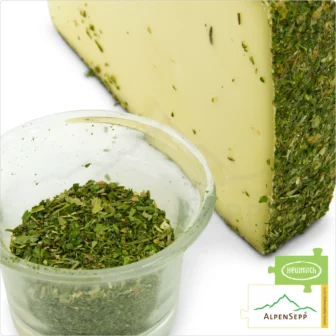
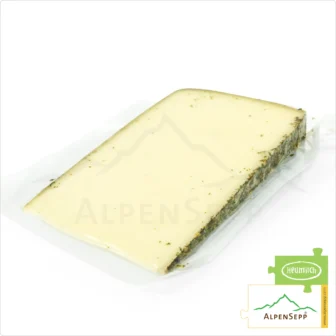
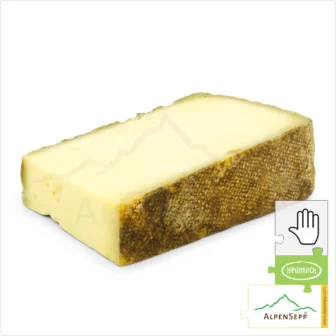
Spicy semi-hard cheese
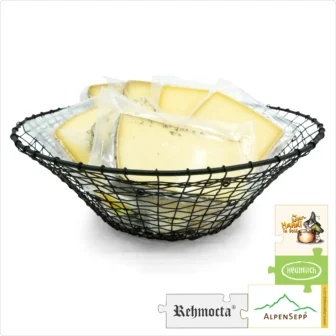
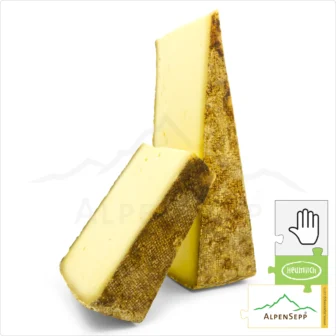
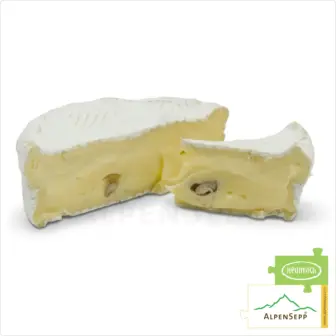
Soft cheese
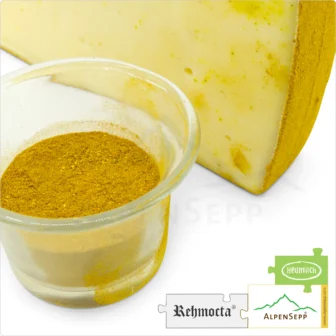
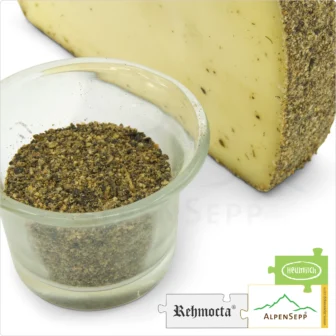
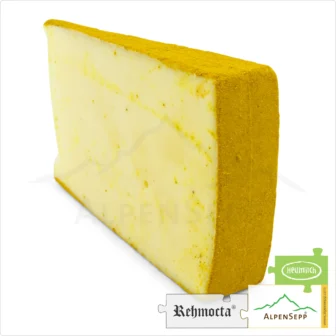
Rehmocta® cheese
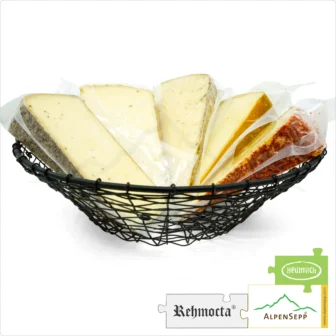
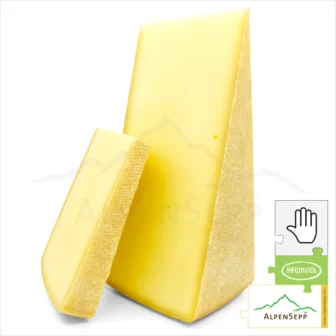
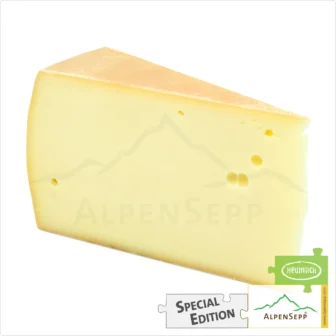
Spicy semi-hard cheese
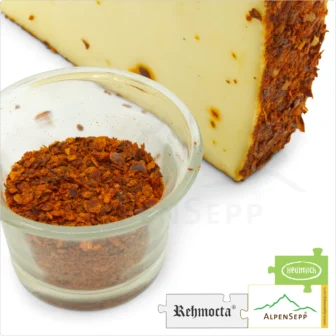
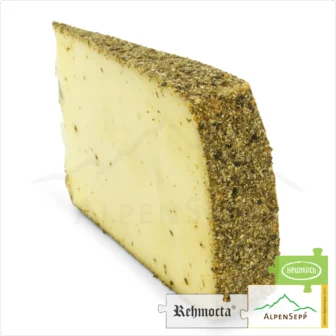
Rehmocta® cheese
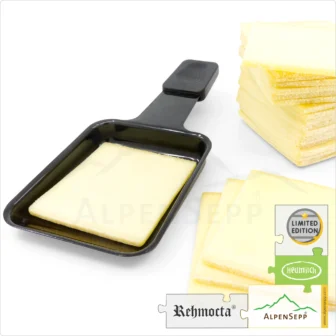
Spicy semi-hard cheese
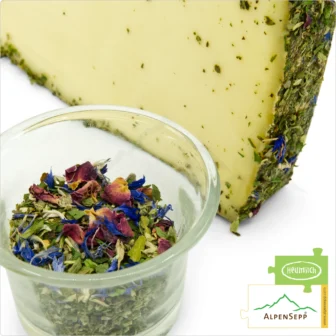
Spicy semi-hard cheese
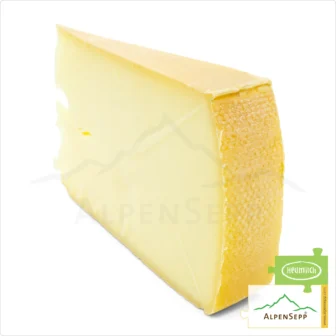
Mild semi-hard cheese
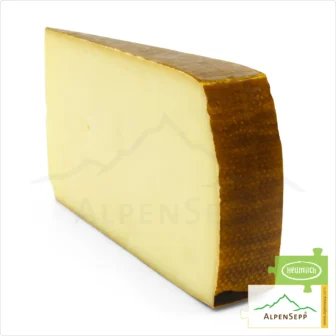
Mild semi-hard cheese
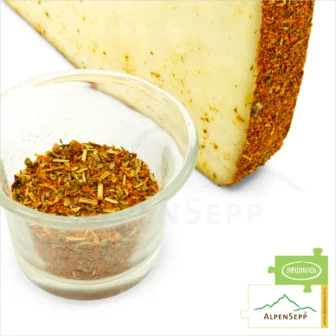
Spicy semi-hard cheese
When you visit any web site, it may store or retrieve information on your browser, mostly in the form of cookies. Control your personal Cookie Services here.
 Specialities | Seasonal

 Raw sausage | Game

 Pleasure boxes

 Enjoyment in Sub





Reviews
There are no reviews yet