

 Hay Milk® Cheese
Hard cheese | Mountain cheese
Semi-hard cheese

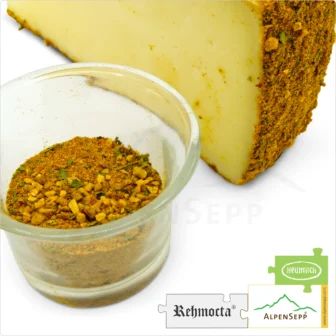
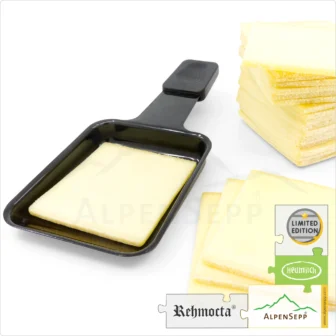
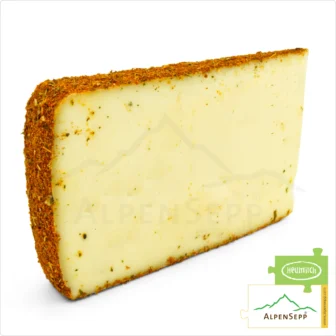
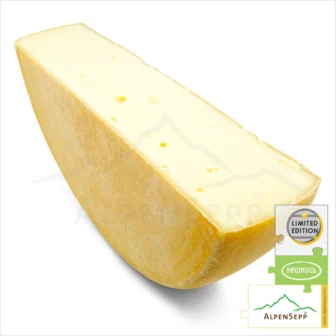 RACLETTE Cheese No.1 – Spicy | Aged 3 months - Austrian Lactose free Cheese wheel for Raclette grill and Raclette ovenfrom € 36,63
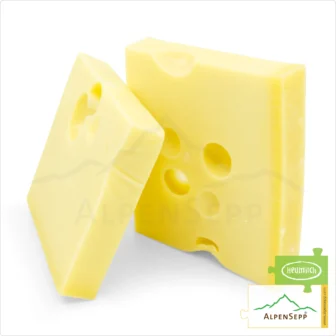
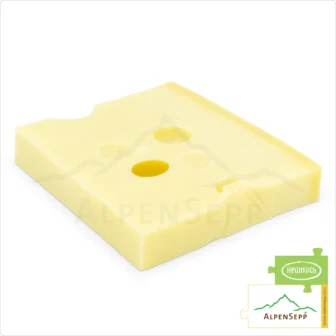 EMMENTAL CHEESE | EMMENTALER - 100% Mild Taste - Lactose-Free Austrian Hard-Cheese Straight from the Cheese Cellarfrom € 5,48
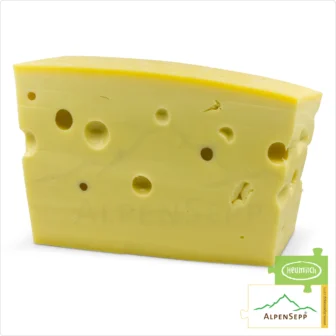 EMMENTAL CHEESE, Big Piece | Austrian Lactose-free hard cheese | 6 kg€ 147,91
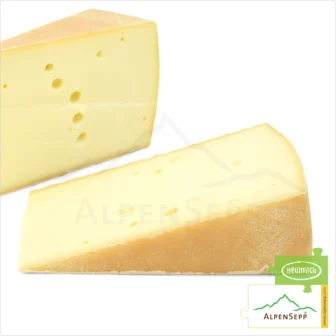
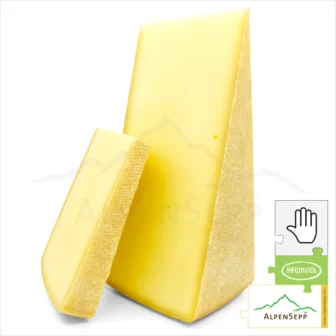
 ALPINE CHEESE spicy | 8 months - Austrian lactose-free hard cheesefrom € 8,15
 Spektiv Ultraview ED 9-27x56 S-ED | DDoptics€ 399,00ddoptics.shop
 Complete OMEGA-3 INDEX | WHC Test Kit for a Lab Analysis with 26 Values€ 79,95pronature24.com
 STEEL LIGHT shielding fabric | for curtains, bedding and blankets | RF screening attenuation against electrosmog up to 42 dB | Effective against 5G!€ 49,70sferics.com
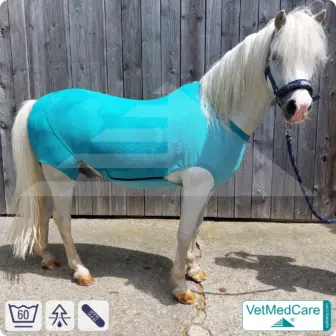 VetMedCare Equine Body Suit: Where Medical Wound Care Meets High-Tech Insect Protectionfrom € 202,80opbody.com
 SHOWERHEAD DELUXE S SET - silver | Water-saving adapter + shower hose + Baton DESIGN Hand Shower | ecoturbino®€ 95,90ecoturbino.shop
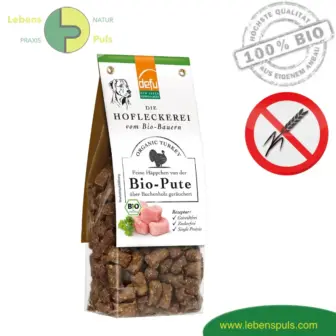 Hofleckerei Pute | gesunde Feine BIO Happen | Hund | defuab € 6,53lebenspuls.com



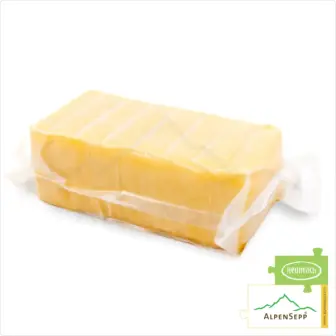
€ 7,26 (€ 6,79 excl. VAT)
Available exclusively in Austria and Germany!
Annual summer shipping break starting 20. April 2026
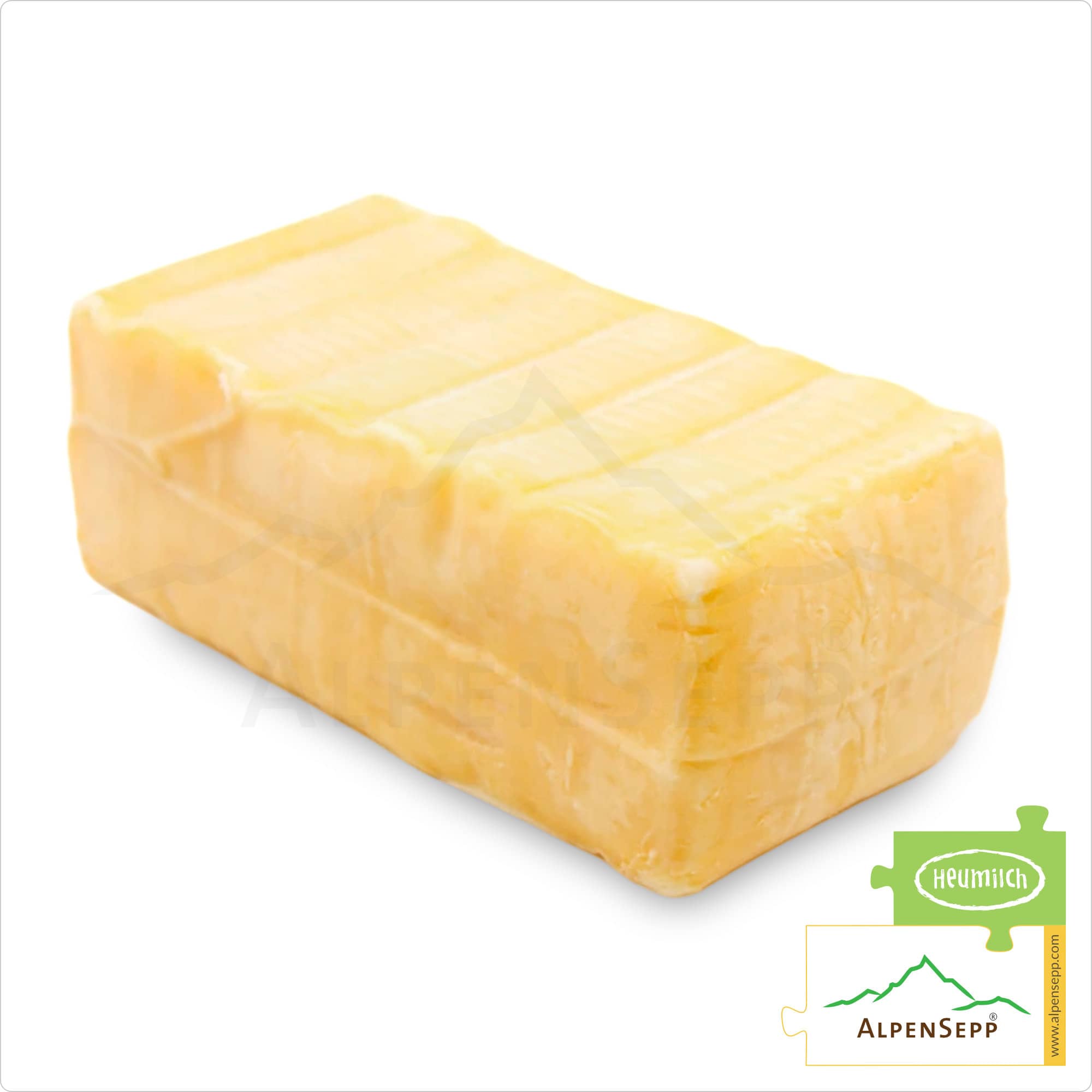
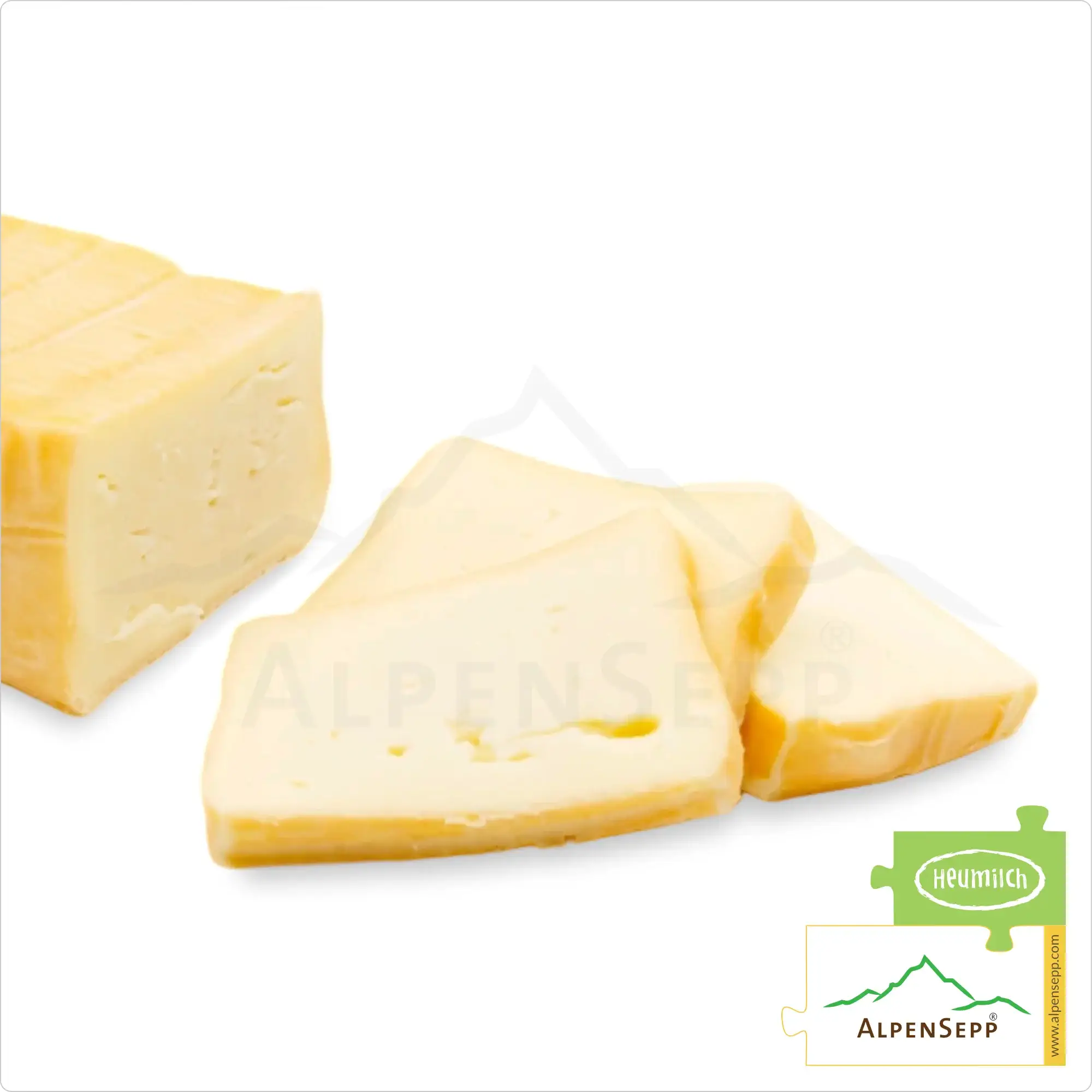
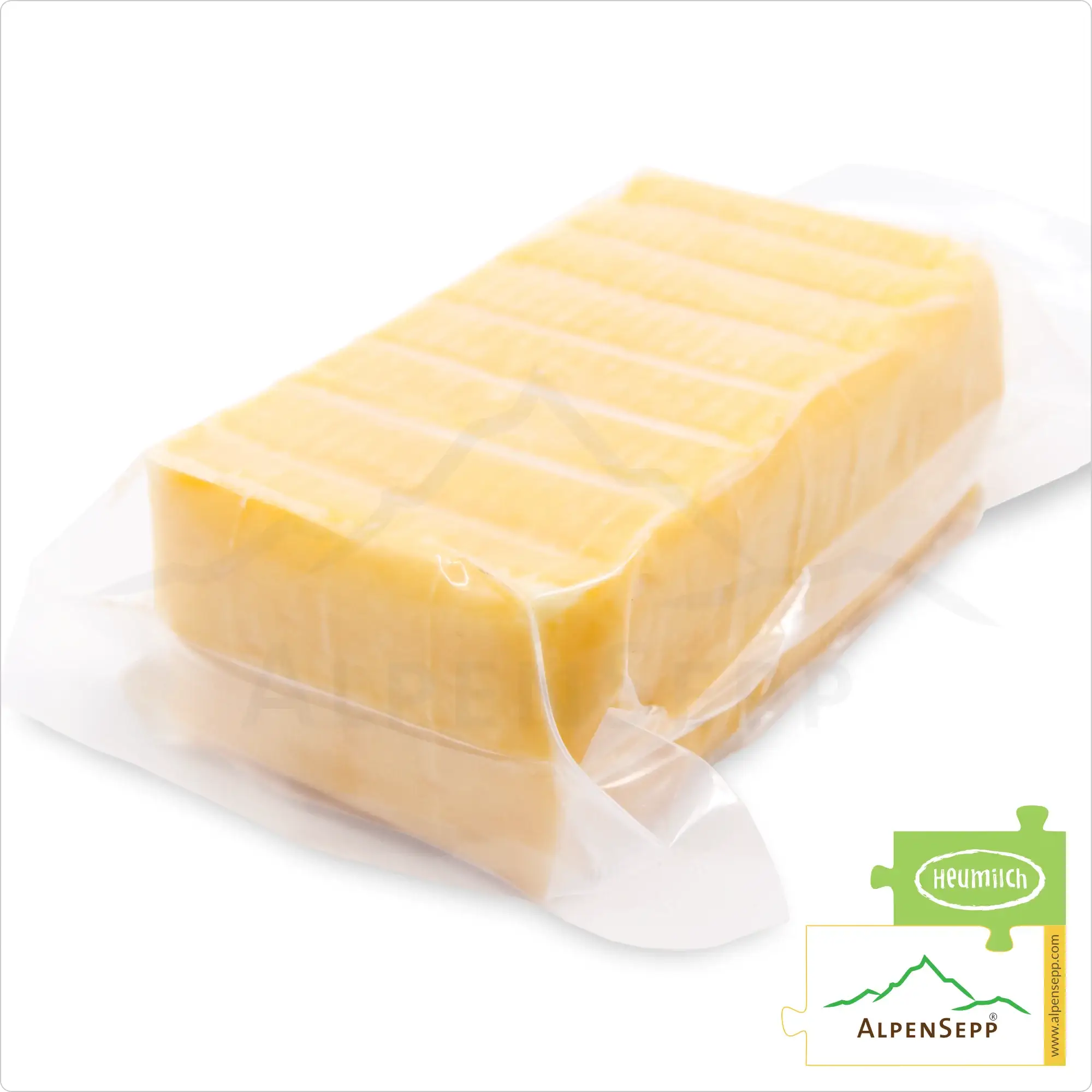
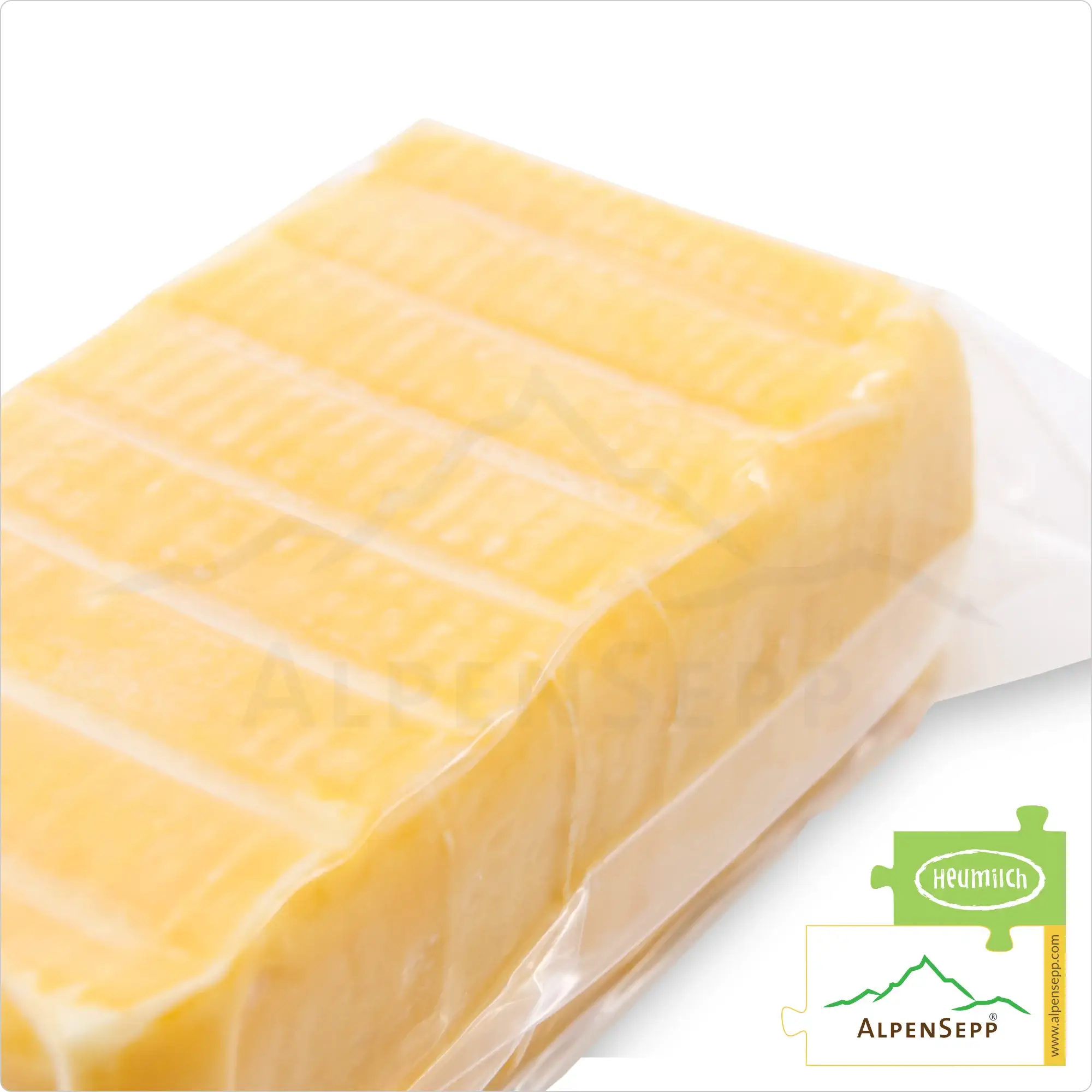
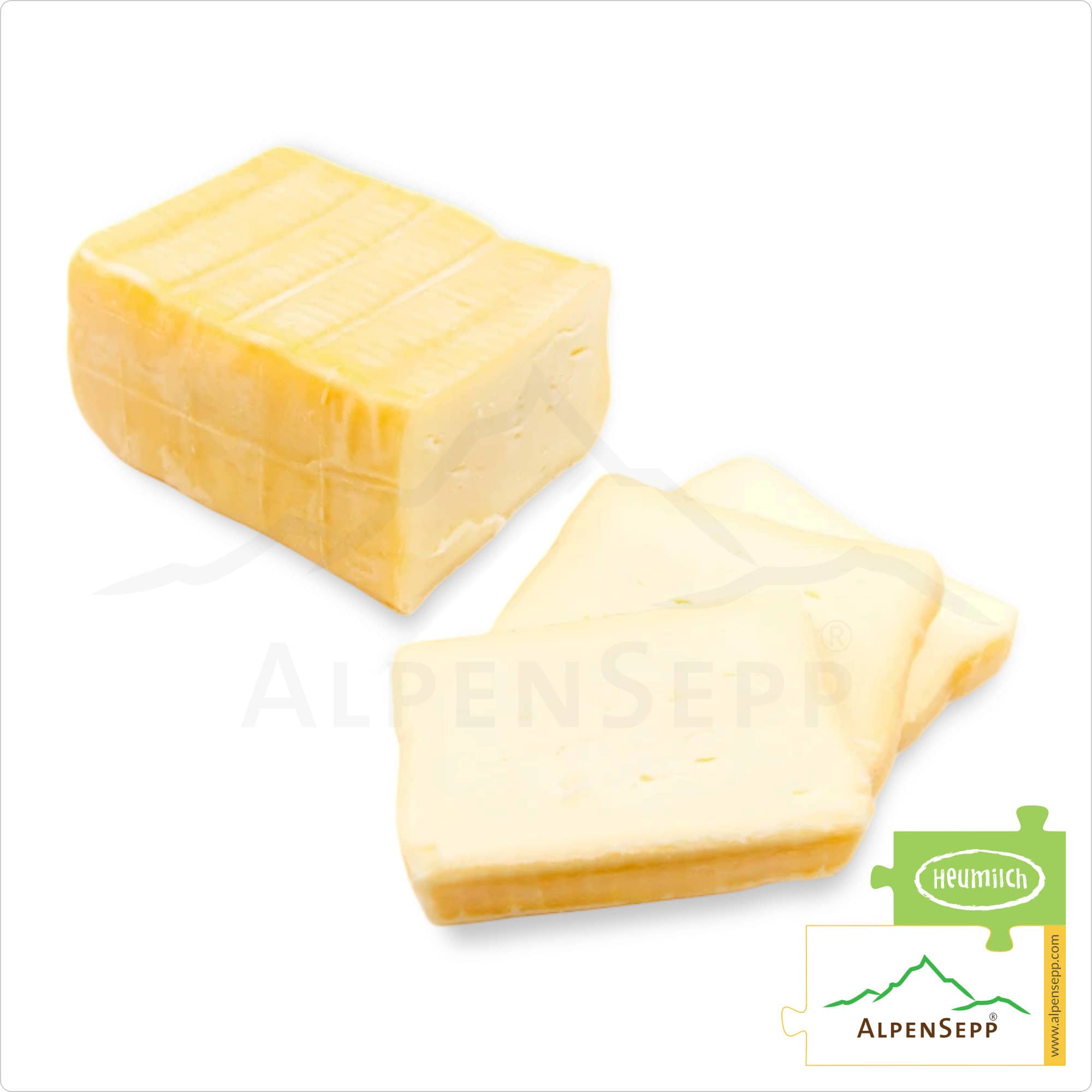
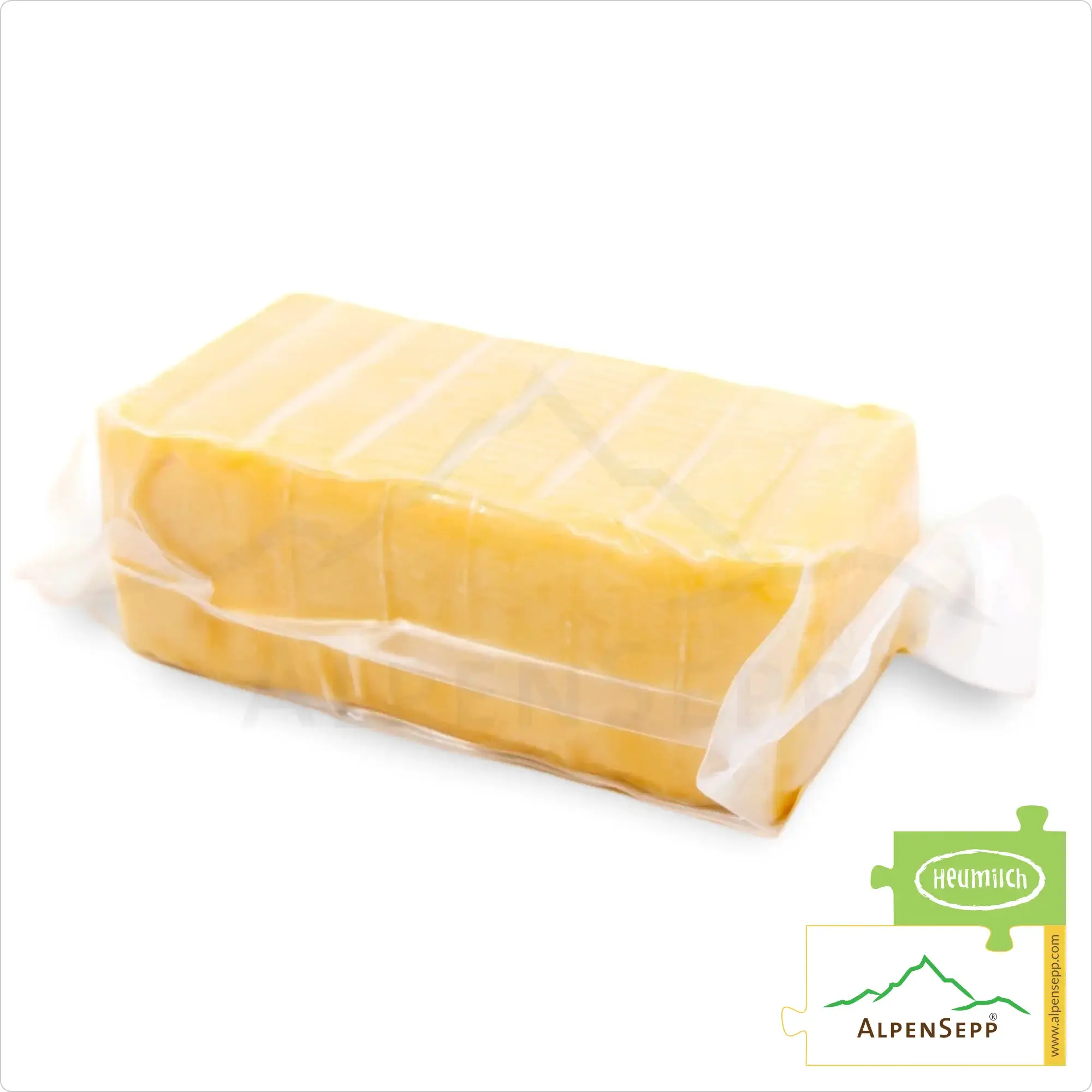
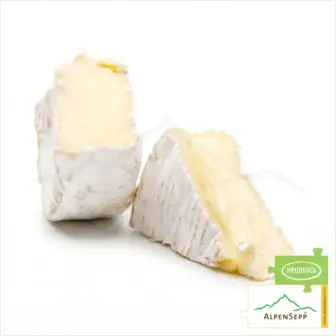
Limburger & Romadur is a handcrafted Austrian hay milk soft cheese with a rich, savory flavor and a creamy texture that becomes more intense as it matures.
Traditionally smear-ripened and naturally lactose-free, this authentic Alpine specialty is perfect for cheese lovers seeking bold, full-bodied taste.
Base price: € 36,30/kg
Out of stock
When talking about real cheese with a strong character from the Alps, you cannot overlook this duo: Romadur and Limburger. Even though they are often listed under two – or even three – names, they share one identity.
It is the epitome of savory washed-rind cheese that makes no compromises. At AlpenSepp, we use exclusively 100% pure hay milkHay milk comes from cows that are fed exclusively with fresh grassland feed, hay and little grain. » More info for this specialty to create a taste experience that leaves industrial copies far behind.
Find out why this “strong character” belongs in every cheese selection, what makes the “redAerobic cheese ripening means cheese ripening with oxygen. » More info smear” (washed rindTo protect the cheese wheel, it is put into salt bath or turned into dry salt. The salt removes water from the cheese and it dries faster. So the rind is formed. » More info) so special, and why Romadur and Limburger are basically two names for the same artisanal masterpiece.
Behind the names Romadur and Limburger lies the same traditional production method.
Historically, Limburger was often produced in larger formats, while Romadur was the handier, often slightly milder version for quick enjoyment. But at AlpenSepp, the rule is: same qualityDetecting cheese defects and quality - on the cheese dough. Recognizing cheese defects requires some practice. » More info, same aroma, same passion.
What distinguishes this cheese:
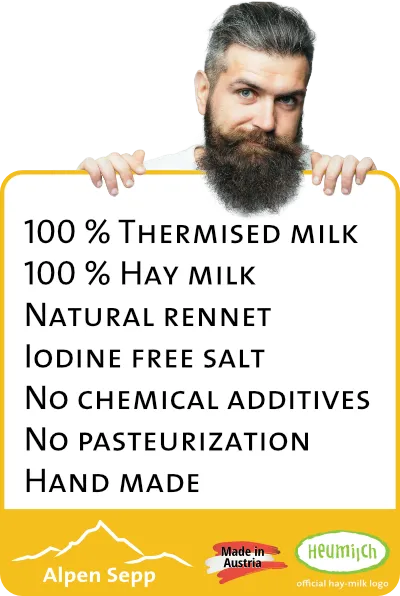
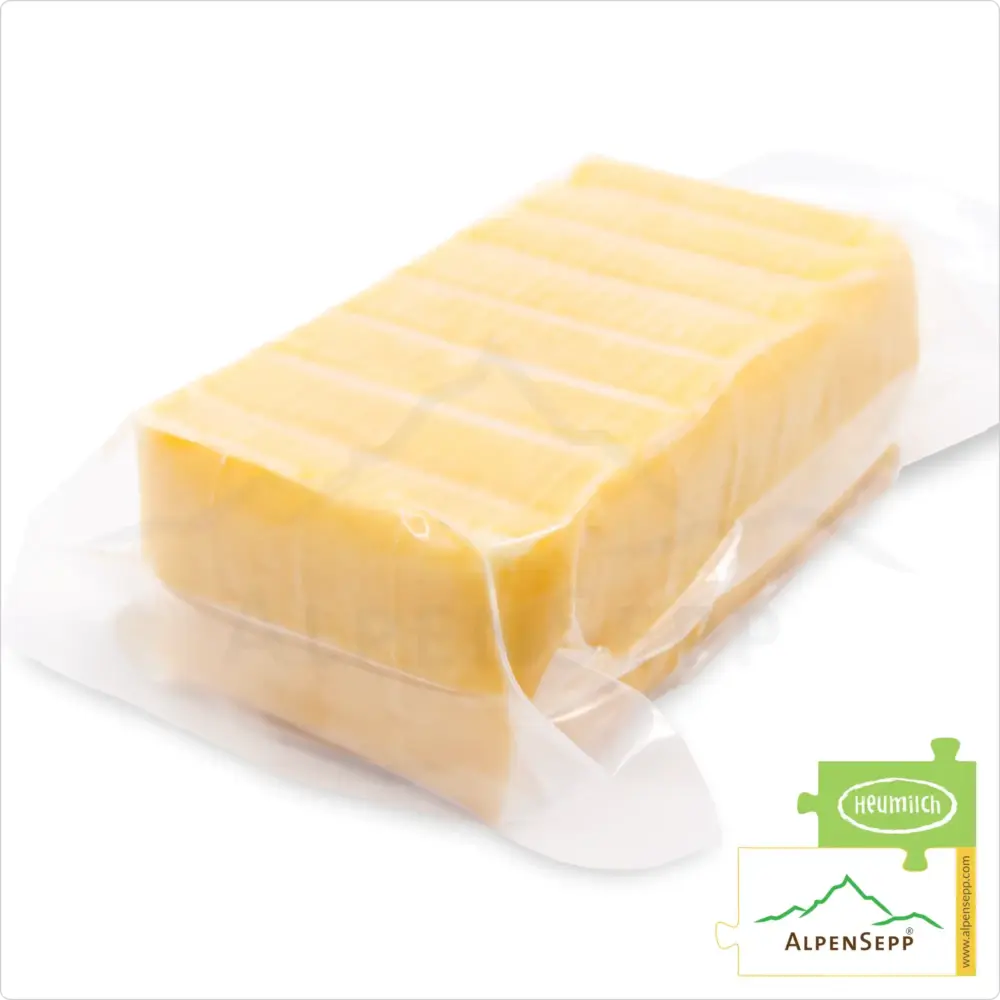
A cheese can only be as good as the milkCheese milk is the milk intended for the production of cheese, also with the concomitant use of buttermilk products, cream products, sweet whey, sour whey and whey cream (whey cream) » More info it is made from. For our AlpenSepp Romadur & Limburger, we use exclusively Hay Milk TSG (Traditional Speciality Guaranteed).
In summer, our cows graze on fresh AlpineThe Vorarlberger Bergkäse (mountain cheese) is a regional cheese specialty from the Austrian province Vorarlberg. » More info herbs and grasses in the pastures, and in winter, they are fed sun-dried hay.
We completely avoid the use of silageHealthy hay milk comes from cows that are fed exclusively on fresh grassland feed, hay and grain. » More info (fermented fodder). This ensures a purity of the milk that you can taste in every single bite.
What many perceive as a “pungent smell,” connoisseurs call the “perfume of the Alps.” During the ripening periodThe milk period is also called the lactation period. It is the time when farm animals such as cows, sheep or goats keep milk for milk production. » More info in our cellars, the cheese wheels are regularly tended by hand with brine and red smear cultures.
This process achieves two things:
Alpensepp Romadur & Limburger is more than just a cheese – it is a commitment to flavor. Anyone who loves hearty Alpine cuisine and values artisanal production from the finest hay milk simply cannot pass by this classic. It is the perfect choice for those seeking something special and looking to enrich their cheese platter with a savory component.
Order a piece of true Alpine tradition now and let the quality convince you – quality that can only be found where the cows still count the herbs in the meadow.
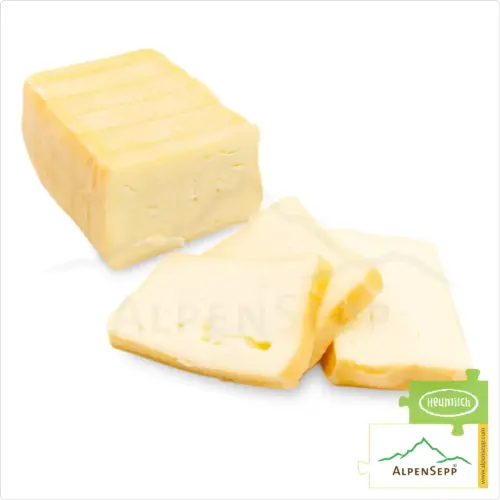
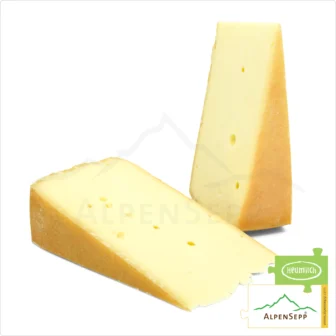
Limburger is characterized by occasional, cherry-pit-sized holesThe large round holes (round holes, fermentation holes) are caused by fermentation gases of bacteria (for example, the propionic acid bacteria in Emmentaler, etc.). » More info that form during the ripening process.
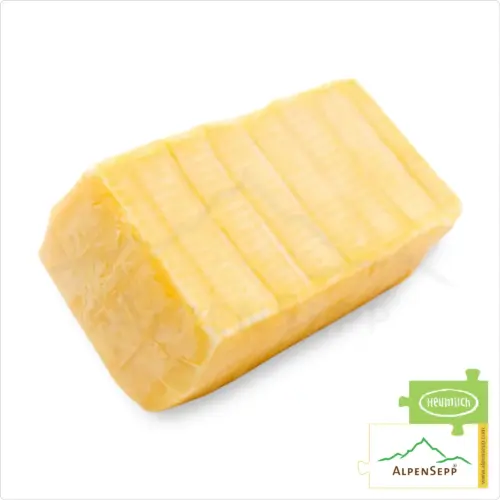
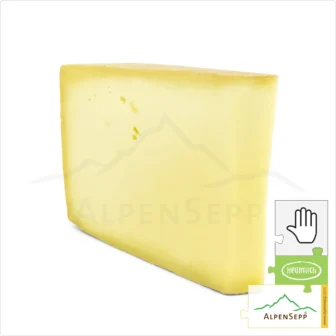
Limburger has a yellowish, edible rind that perfectly complements its creamy texture.
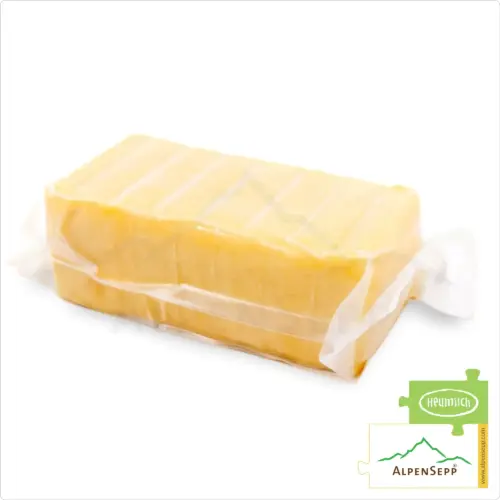
Limburger is ripened for approx. 3 months in the cheese cellar to develop its mild, creamy aroma.
A Romadur or Limburger is an all-rounder in the kitchen – if you know how to tame it.
The perfect accompaniment: What to drink with it?
Such a bold cheese needs a partner on equal footing. A “light little water” will just get lost here.
The specialty of Limburger is its meltingMelting cheese is a proven process to refine and make it more durable. » More info properties and its savory cheese flavor, which is unique thanks to the hay milk.
Limburger Cheese Intensity
How mild or tangy is the cheese? Rated on a scale of 0 (mild) to 10 (spicy).
Limburger Cheese Texture
How firm is the cheese? Rated on a scale of 0 (soft) to 10 (firm).
Limburger Cheese Aging Period
How long did the cheese mature? Rated between 1 to 12 months.
| Milk: | 100% from silo-free hay milk |
| Type of cheese: | Soft cheese with red smear (washed rind) |
| Ripening method: | Lactic acid and/or fermentation ripening / Surface ripening with red smear bacteriaBacterium Linens (red culture bacteria) are brushed with salt water on the cheese. » More info |
| Flavor profile: | mild-savory, supple, meltingly tender |
| Ripening period: | 3 months |
| F.i.D.M.: | at least 50% |
| Absolute fatThe dry matter refers to that portion of the cheese that remains after removal of the water contained. The more water is removed from the cheese, the lower its dry matter and vice versa. » More info: | approx. 30% |
| Allergens: | No other allergenic potential besides milk components |
| LactosePeople with lactose intolerance can not or only insufficiently digest milk sugar (lactose or lactose). » More info: | low content |
| RennetNatural rennet is a mixture of the enzymes chymosin and pepsin, which is obtained from the abomasum of young ruminants in milk-drinking age. » More info: | natural, animal rennet |
| Salt: | iodine-free table salt |
| What defines the cheese – The Limburger character? | The rind is edible (this is where the most flavor is!) |
| How does Limburger taste? | Full-bodied, savory aroma with a fine buttermilk note. |
| How does it feel / what is the consistency? | Particularly soft cheese with a tender, mild body (paste). |
| What is the color of Limburger? | Whitish to yellowish paste, very dependent on the season. |
| How does the cheese body smell? | Intense red smear scent, combined with a fine cheese aroma. |
| What do the holes look like? | Occasional mechanical openings (cracks). |
| How is Limburger best enjoyed? | On a snack / sandwich, for breakfast, or simply in slices for dinner. |
| How to recognize sub-optimal ripening – lower quality? | The cheese should be soft, but not pasty or sticky. |
To ensure your Romadur & Limburger stays fresh for a long time, we recommend storingThe alpine cheese is best located in a cellar with high humidity. » More info it in special cheese paper or a ventilated container in the bottom compartment of the refrigerator. Since this is a “living” cheese, it continues to ripen. The closer it gets to the best-before date, the more intense and creamy it becomes.
Pro-tip: If the cheese smells too intense for your taste, wrap it in a cloth moistened with salt water – this keeps the rind fresh and the aroma in check.
Never store or cut cheese on boards or surfaces where bread was previously placed. Yeast residues from the bread can cause the cheese to mold quickly.
| Weight | 0,2 kg |
|---|---|
| Brand | AlpenSepp® |
| Weight | |
| Type of cheese | Austrian semi-hard cheese made from thermized, silo-free hay milk |
| Ingredients | Cow's milk, cheese-making, natural lab, iodine-free table salt |
| Kind of cheese | |
| Storage conditions | Store refrigerated at +4 ° C to +8 ° C |
| Taste Intensity | mild |
| Cheese maturing time | 3 months |
| Country of origin | Austria |
Allergen labelingCheese packaging must have certain markings. The purpose of these markings is to protect the consumer from deception and to announce the supply of certain information about the product. » More info and nutrition table – according to FIC (EU No. 1169/2011). 100 grams of cheese contain:
| F.i.D.M. content | 40% |
| Energy | 265 kcal/1103 KJ |
| FatThe dry matter refers to that portion of the cheese that remains after removal of the water contained. The more water is removed from the cheese, the lower its dry matter and vice versa. » More info | 19 g |
| of which saturates | 12 g |
| Carbohydrates | <0.5 g |
| of which sugars (lactosePeople with lactose intolerance can not or only insufficiently digest milk sugar (lactose or lactose). » More info) | <0.5 g* |
| ProteinCasein is a constituent of the protein (protein) of cow's milk, which is obtained for cheese production. » More info | 23 g |
| Salt | 2.3 g |
*Cheeses with a content of less than 0.1% lactose are considered lactose-free!
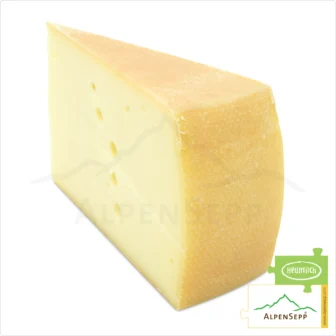
Mild semi-hard cheese
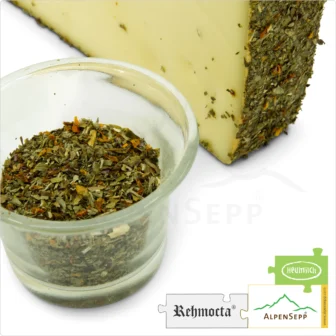
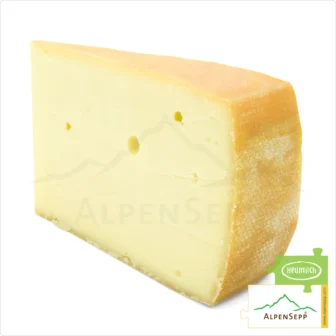
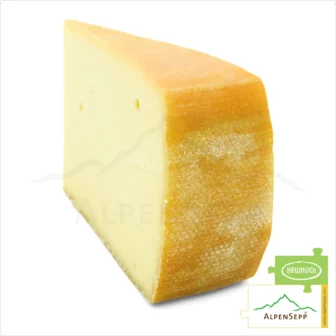
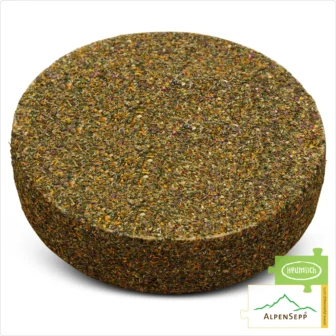
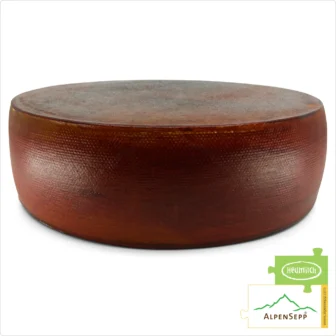
CHEESE WHEEL
BLOSSOMS CHEESE , Whole Wheel | BLUMENKÄSE | Austrian Lactose-free semi-hard cheese | 6,4 kg
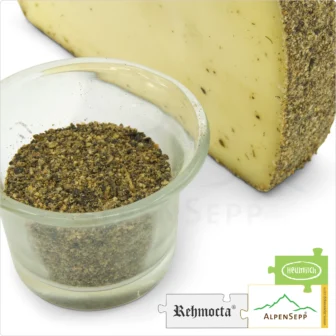
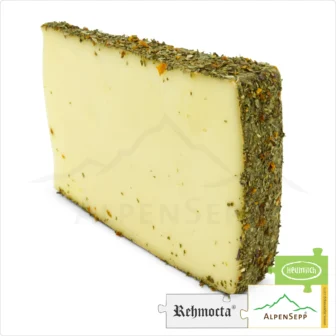
Rehmocta® cheese
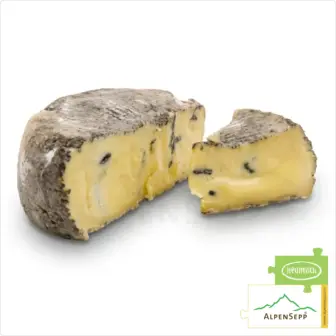
Soft cheese
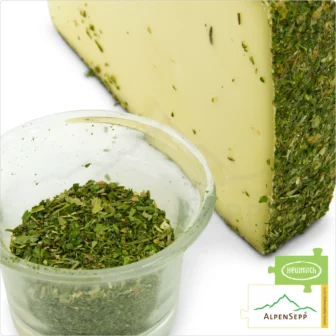
Spicy semi-hard cheese
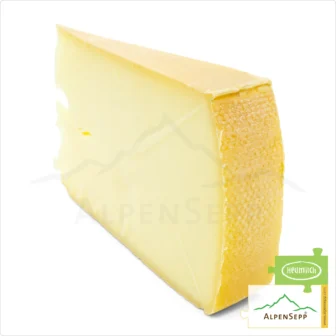
Mild semi-hard cheese
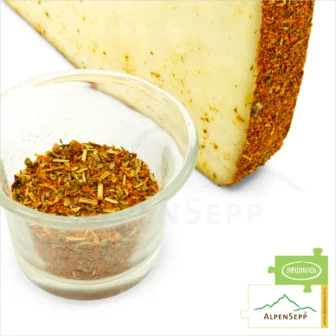
Spicy semi-hard cheese
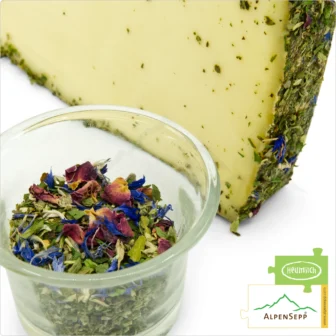
Spicy semi-hard cheese
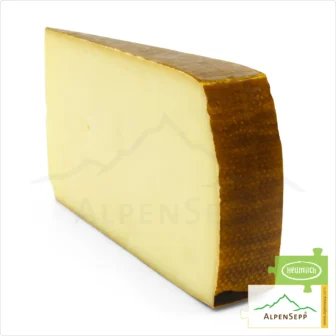
Mild semi-hard cheese
When you visit any web site, it may store or retrieve information on your browser, mostly in the form of cookies. Control your personal Cookie Services here.
 Specialities | Seasonal

 Raw sausage | Game

 Pleasure boxes

 Enjoyment in Sub





Reviews
There are no reviews yet